Extract from Society Tomorrow
Copyright retained, please do not reblog this post.
Domestic violence and our abusive society
Having looked at some of the fundamental ways out thinking differs and the reasons for that, let’s look at the consequences of the increasing division it leads to.
It occurred to me that the problems we see in violent marriages or partnerships are a micro-scale version of the abuses we see between political groups now. Our society is in serious need or marriage counselling.
When I wrote a blog on reducing the problem of rape, part of my research was looking at the Crime Survey for England and Wales, the CSEW.
(I wasn’t very impressed by it and I wouldn’t accept it as a true indicator of crime. A lot of the questions are ambiguous and there are big gaps and strong biases in the coverage. Some areas would therefore be overstated in results while others understated and it lends itself far too well to political lobbies. I think it was about as reasonable an indicator of crime level as a casual chat in a pub. But regardless of the probably inaccuracy of its results, their survey inadvertently presented a good model for social abuse.)
The CSEW has a large section asking questions about various forms of abuse within relationships. Not just physical abuse such as rape, but financial, social and emotional abuse too – belittling someone, not letting them see their friends, not allowing them their share of the money. That sort of thing.
Since then, it occurred to me that abuse within relationships is a micro-scale version of what we do all the time socially via politics. If you look at a country as a whole, different groups with very different ideological preferences have to somehow live peacefully side by side in the long term. If you like, it’s a sort of enforced marriage, writ large, or a grand scale civil partnership if you prefer that.
Taking that analogy, we could adapt some of the questions from the crime survey to see whether things we do regularly to each other in the guise of everyday politics are really a form of abuse. Even within marriages and partnerships, what most of us consider unacceptable behaviour may be accepted or practiced by a quite large proportion of people. For example, according to the official figures, 16% of 16-19 year olds think it’s sometimes OK to hit a partner.
If you really don’t like your own country, you could leave, and often some people will tell you to do just that if you don’t like it, but the costs and the aggravation and the ‘why should it be me that has to leave?’ are a big deterrent. So you stay together and suffer the abuse.
So, let’s take a few of the questions from the CSEW and apply them to the political scale. Starting with a few questions from the section on domestic violence:
Q1: Has your partner ever prevented you from having your fair share of the household money?
(Yes that question is in the domestic violence section, and I’d certainly answer yes, for pretty much every girlfriend I’ve ever had. That’s why I don’t believe much that comes out of the survey. It’s far too open to interpretation and far too tempting a tool for campaigning. Responses from people who have had serious abuse in this manner would be lost in the noise).
This one has a very obvious political equivalent, and we don’t even need to adapt it. Just about every pressure group would answer yes, and so would everyone who feels they should pay less tax or get more government support or more pay or feels the government spends too much on other people’s interests instead of theirs.
The battle between left and right often comes down to this. The left wants to take more and spend more, and the right wants to let people keep their cash and spend it themselves. Each side occasionally gets their way to some degree, but there is no doubt in my mind – it is abusive, no better than a marital fight where the one currently holding the wallet or purse wins, i.e. whoever got most seats this time. We really should find a better way. It is this issue more than any other that made me realise that we ought to implement a dual democracy, and if we don’t this abuse could eventually lead to the Great Western War (see the War section).
So, question 1 done, and we can already confirm we are in a highly abusive relationship.
Q2: Has your partner ever stopped you from seeing friends or relatives?
(Can anyone honestly say no to that?)
This one is rather harder to translate. The human rights act is notoriously pretty forceful on this when it comes to criminals, but what does it equate to in civil abuse? Public demonstrations perhaps. Government is intercepting a lot of metadata on who our friends and political friends are, using face recognition at public demonstrations, making them much harder to organise or attend, preventing access to a demonstration and dispersing large groups more. We can all think of groups we find repugnant and may prefer not to exist, but they do exist and share our land whether we like them or not, and they are human, whether we try to portray them as otherwise or not. This sort of abuse blurs into the next form, belittling. Some of us still defend freedom of speech, the right to say what you like without censorship. Others want to clamp down on it, selectively of course; their own right to demonstrate or speak freely must be protected. University students have recently become notorious for demanding that certain types of people or political parties should be banned from appearing or lecturing. Such demands happen often. We have seen Ed Davey and Prince Charles calling anyone who disagrees with their views names and saying they should be barred from having any public platform to air their views, the Green Party going still further and calling for people who disagree with them to be sacked and banned from office. So coupling it with belittling, this abuse is becoming the norm in politics and even the Royal Family are guilty of it.
So, more abuse.
Q3: has your partner ever repeatedly belittled you to the extent you felt worthless?
Anyone who ever watches political debate will easily recognise the strong analogies here. These days, in the UK at least, members of all political parties often do their very best to present opposing views as worthless, unacceptable, unfair, odious, backward, prehistoric, fascist, racist, uncivilised…. It seems the norm rather than the exception. It isn’t just the parties themselves. Anyone who doesn’t tick all the boxes on the latest political correctness fad is often subjected to abuse by people who share opposing views. Civilised debate on a wide range of sensitive issues is impossible any more.
Definitely very abusive this time.
Q4 has your partner ever frightened you, by threatening to hurt you or someone close to you?
Isn’t that what strikes do? Or riots or even large peaceful public demonstrations? Or media campaigns by pressure groups? People often feel bullied into submission because of the potential consequences they feel if they don’t comply with the demands.
Quite abusive
The rest of the questions are not relevant, being specific to particular weapons. But I think I have made my point. By the criteria we use to judge abuse in our own personal relationships, our society is guilty as hell. I think it is getting worse year by year. I think we are heading slowly but surely towards a critical point where the fuse finally blows and social breakdown is likely.
I think that in the 21st Century, it is about time we started to work out a more civilised way of living together, sharing the same space with human dignity and mutual respect. Maybe love is a bit much to ask for, but surely we can manage without abusing each other?
The future of tolerance and equality
Increasing division between left and right has been very prominent in the last few years right across the Western world. It seems as if people have suddenly ceased to tolerate one another. This current intolerance often represents other people who have different political views as evil or of inferior morality and is quite religious in its nature, conforming well to the view that political correctness is itself a form of religion substitute. It seems that as conventional religion has declined, people have not lost their need to feel that they occupy the moral high ground. The religious view that ‘I am right and you are wrong’ has simply been transferred to a secular world. Simple disagreement and civilised discussion and debate has evolved into intolerance, hostility and aggression, no platforming and shutting down of interaction with others of different views instead of trying to resolve differences and reaching compromise.
It’s amusing how words often come to mean the opposite of what they originally mean. It started in trendy-speak when hot came to mean exactly the same as cool, (when cool was still a word that was trendy). Wicked now means good. Bad means good. Evil means good. Sick means good. Good no longer means good, but has been demoted and now means just about OK, but nothing special – that would be bad or wicked or sick.
The trouble is that it isn’t just children making their own words to rebel against authority.
Adults abuse language too, and in far less innocent ways. People’s minds are structured using words, and if you can bend the meaning of a word after those concepts have been assembled, all the concepts built using that word will change too.
As in Nineteen-eighty-four, Orwell’s Animal Farm was really observations on the politics of his day, and how language is so easily subverted for political advantage, but marketing and politics techniques have only refined since then. The desire to win power and to use words to do so certainly hasn’t gone away. I think our world today is closer to Orwell’s 1984 than most people want to believe.
Censorship is a primary tool of course. Preventing discussion in entire fields of science, culture and politics is an excellent way of stopping people thinking about them. Censorship as a device for oppression and control is as powerful as any propaganda.
When censorship isn’t appropriate, the use of words that mean the opposite of what they describe is a good way to redecorate an image to make it more appealing and spin doctors are ubiquitous in politics.
So, ‘fair’ sounds a nice sort of word; we all want everything to be fair; so if you can gain control of its meaning and bend it towards your campaign goal, you gain the weight of its feel-good factor and its pleasant associations. Supporting that goal then makes you feel a better sort of person, because it is fair. Unfortunately, ‘fair’ has been perverted to mean resource distribution where your tribe takes as big a slice of the pie as possible.
Ditto equality. It sounds good, so if you can spin your presentation to make your campaign for superiority appear as if you want everyone to be equal, you can get an Orwellian, Animal Farmy sort of support for it, with your pressure group becoming more equal than others.
But in that case ‘equality’ really means everyone except you being oppressed. Today, privilege is the new activist term for working hard, and campaigners for change say that ‘if you are accustomed to privilege, then fairness feels like oppression’.
A ‘liberal’ sounds like someone who supports freedom, but more recently, it has evolved to describe someone who wants more things to be controlled by the state, with more regulation, and actually less freedom. Freedom within very tightly constrained boundaries is not so different from totalitarianism.
Similarly ‘democrat’ sounds like it should describe someone who wants everyone to have an equal say but is often someone who wants dictatorship by their supporters and oppression of others.
‘Racist’ used to mean someone who considers people of one skin colour to be superior to those of another, so became a word no reasonable person wants thrown at them, but because it was so powerful a weapon, it has been mutated endlessly until it has become synonymous with ‘nationalist’. It is most often cited now when skin colour is the same and only culture or religion or nationality or even accent is different.
Such is the magnitude of the language distortion that in the UK’s recent immigration debates, Europhiles who want to protect immigration privileges for white Europeans over Indians or Chinese or Africans were calling those who want to remove those privileges racist. It is totally upside down.
A Conservative minister even used the farcical argument that trying to limit European immigration is racist even though they are the same colour because it would be racist if they were black.
This language perversion makes it much harder to eliminate genuine skin colour racism, which is still a significant problem in some areas, though thankfully it has vanished from most areas now. Racism flourishes in the shadows caused by language distortion and it pops up in surprising areas. The otherwise intensely politically correct BBC’s Dr Who frequently features the hero or his allies making deeply offensive racist-like remarks about other species with different body shapes or appearances.
People and organisations that are certain of their own holiness often are the most prejudiced, but their blinkers are so narrowly aimed they just can’t see it. That blindness now pervades our society.
It is tolerance and equality that are the biggest and most dangerous casualties of this word war.
‘Tolerant’ has evolved to mean extremely intolerant of anyone who doesn’t adopt the same views and this new intolerance is growing quickly.
If you or your friends get something, it is a right, and removing it is a tax, but if someone else gets it, it is a privilege and ‘fairness’ demands that it should be removed.
People will happily accuse an entire group of people of being highly prejudiced, without realizing that such a statement is prejudiced itself. It is common to watch debates where contributors make the most offensive remarks about people who they see as beneath contempt because they hold some lesser prejudice about a group they support. They just don’t see the same trait magnified in themselves. That they don’t see it indicates that they haven’t really thought about it and have just accepted a view from someone or somewhere else, which shows just how powerful changing the meaning of words is.
It is only when thinking the meaning through that the obvious contradictions appear, but the emotional content and impact of the words is superficial and immediate, primal even.
For example, the new variety of militant atheists say they are intolerant of religions because they are intolerant. They use the sanctimonious phrase ‘intolerant of intolerance’, but their intolerance is as bad as that which they condemn. They condemn religious believers for hypocrisy too but are blind to their own.
Their fervour for their atheism is as distasteful as any religious inquisition. They may not physically burn people at a stake, but activists do as much damage to a person and their career and destroy their lives as far as they can, whilst believing they are somehow occupying some moral high ground. Religion may be dying out, but the very same nasty behaviours live on, just with different foundations for the same sanctimony.
This new moral community are just as sure of their 21st century piety as any medieval priest was of theirs, just as quick to look down on all those not sharing the same self-built pedestal, just as quick to run their own inquisitions.
Activists demand tolerance and equality for their favoured victim group but unlike most ordinary decent people, most activists don’t reciprocate it. Hypocrisy reigns, supported by an alarming apparent lack of self-awareness.
Surely reasonable people should accept others’ rights to exist and accept that even if they might not agree with them they can agree to live peacefully alongside, to live and let live, like we used to until recently. Tolerance means putting up with people whose views you detest as well as those you love.
Lack of self-awareness isn’t really the cause, not for activists. It isn’t the case that they’ve forgotten we need to get on, they just don’t want to any more. It is no longer a desire for peace and love and equality, but a desire for cultural supremacy and oppression of dissent.
The clue comes as we see that the new vigorous pursuit of ‘equality’ is too often a thinly disguised clamour for privilege, positive discrimination, quotas, special treatment and eventual superiority.
That isn’t new of itself – there have always been fights for privilege – but lately it is often accompanied by oppression and vilification of anyone not supporting that particular campaign for privilege. Trying to win the high ground is one thing, but trying to eliminate everyone else from the entire hill is new. It is no longer enough to get equality, all other viewpoints must be eliminated. It isn’t enough that I should win – you must also lose. That which started as a reasonable desire that all should be equal in all ways has somehow mutated into an ugly tribal conflict where every tribe wants exclusive power and extermination of any tribes that don’t support their dictatorship.
This new intolerance is tribal conflict – less violent but every bit as nasty and aggressive, the sort that leads to violence if left unaddressed. It is war without the niceties of the Geneva Convention. We see it manifesting itself in every dimension – political affiliation, age, gender, sexuality, race, culture, wealth, religion… It doesn’t use peaceful debate and open discussion and negotiation to get different groups living side by side on an equal basis. Instead, seizing control over the meanings of words and distorting them is increasingly the weapon of choice to get a win instead of a draw. Mutual respect and the desire to live in peace, to live and let live, each to their own, has been usurped by assertion of superiority and demand for submission.
This has to stop. We must live together in peace, whatever our differing beliefs and attitudes. The nastiness needs to go. The assault on language has to stop. We need to communicate and to do so on a level playing field, without censorship and without the insults. We need to assert genuine equality and tolerance, not play games with words. The alternative is eventual civil conflict, the Great Western War, and that won’t be fun.
This trend is dangerous but there is no sign it will end any time soon. At the moment it is worsening quickly.
The New Pharisees
Competition for the moral high ground in this new secular meta-religion relies on finding the smallest differences and emphasising them. The smaller the thing one can be offended by, the holier one must be. The New Pharisees are characterised by their inability to live with the mere mention of a pea under a distant pile of mattresses. Anyone insufficiently offended is ostracised, condemned as a dinosaur or traitor. Even those who once led campaigns for equal rights may be condemned by new waves of activists who have discovered whole new layers of holiness. There seems to be no limit on how much sanctimony a person can contain. We recently saw the Dalia Lama accused of being racist because he made some comments on limiting immigration into Germany. When a university safe space must be entirely free even of body language such as waving of hands or shaking of a head, we have surely reached the modern equivalent of the Spanish Inquisition, and it must fully run its course before people will eventually learn once again the value of mutual respect and tolerance.
This American import into UK universities has been met with ridicule by most people but shows no sign of disappearing. In a few years, some of those same students will lead companies, organisations or political parties. Some will make decisions that affect many other people.
There is no stability in such platform either. Without the fixed anchor of morality that used to be associated with any established religion, (and the UKs traditional Christian anchor has been well and truly scrapped) tomorrow’s rights and wrongs are necessarily dictated by cultural forces acting on whatever the status quo is today.
This will take the mathematical form of a random walk, incremental movements from today’s position with no reference to any fixed location.
Today’s moral high ground will soon be looked down on from other grounds yet undiscovered or existing ground redeveloped.
An excellent recent example is that gay rights was until recently the focus of attention and demands for equality, but now gay men are sometimes being excluded from the LGBT community because they are not considered oppressed enough, and under closer inspection under a harsher light, their own faults and transgressions have thus been exposed to criticism.
The current new high ground is the most gender-fluid inner circle of the transgender community, with severe competition to establish just how gender fluid one can be, to seize the highest spot of all. Fashion will very quickly move on, but in a random walk, it is impossible to predict which of many new areas the spotlight will settle next.
In the long term, this wandering of morality may settle down, but it may not. It may even lead to many of today’s most politically correct becoming outcasts in due course. The random walk of acceptability in modern Western society can take someone from proper to pariah. Let’s look at that.
Morality inversion – you will be an outcast before you get old
I did my religious studies exams in 1975 Ireland. We were asked us to consider euthanasia and abortion and how relevant attitudes and laws might change during our lifetimes. Since then, we’ve seen a full inversion in both, that took less than 30 years.
I believe it is dangerous for society if its views on morality swing fully and quickly between extremes, especially since technology ensures that people can access decades-old records and views easily. What you do today may be judged today by today’s morality, but it will also be judged by the very different morality of 2050, and indeed every generation between. You could well become a pariah for activities or views that are perfectly acceptable and normal today. Today’s photos, videos, selfies, tweets, chat records and blogs will all still be easily searchable and they might damn you. The worst thing is you can’t reliably predict which values will invert, so nobody is safe.
Let’s looks at some examples, starting with the two examples we did for 1975 Religious Studies – abortion and euthanasia, and the point here is not whether something is right or wrong, it is that the perception of it being right or wrong has changed. i.e. what is the ‘correct’ fashionable view to hold?
Abortion was legal in 1970s Great Britain, but was still very far from socially accepted in most circles. A woman who had an abortion back then may well have felt a social outcast. Today, it is ‘a woman’s right to choose’ and anyone wanting to restrain that right would be the social outcast, called a dinosaur or a bigot. That is a clear complete morality inversion.
Euthanasia was universally accepted as wrong in the 1970s. A few years ago the UK’s NHS implemented it via ‘The Liverpool Care Pathway’, almost 1984’s Doublespeak in its level of inversion.
Recently some regions have rolled euthanasia out still further, routinely asking patients over 75 years old whether they want to be resuscitated. Not all of those asked will understand the full implications of their answers, depending among other things on how the question is phrased and the tone of voice of the interviewer. If they smile sweetly, a person might agree, even if they don’t understand what they are agreeing to.
Euthanasia is not only accepted but encouraged. Since then, rules have been tidied up a little to prevent some of the abuses, but the euthanasia bit remains unscathed. It has simply been renamed as ‘do not resuscitate orders’. In 40,000 cases in the last year, doctors didn’t even bother to consult patients or families. 200,000 people altogether in the past year were legally euthanized by withdrawal of treatment.
Meanwhile, assisted suicide has also become accepted, with people visiting Switzerland for the act itself, but without condemnation by UK authorities. It was very clearly wrong in the 1970s, but perfectly fine and understandable today. Another total inversion.
Homosexuality in the 1970s forced people to hide deep in a closet. Today, it’s almost a job requirement for reality TV, chat show hosting and singing in the Eurovision Song Contest. Gay marriage would have been unimaginable in the 1970s but it would be very brave indeed to speak out against it today.
Casual sex had its inversion decades earlier of course, but a single person who is still a virgin at 20 more likely feels ashamed today, whereas anyone having sex outside of marriage before the 1960s would be the one made to feel ashamed.
A committed Christian in the UK 1970s was considered the gold standard of morality. Today, being a Christian labels someone as a bigoted dinosaur who should be denied a career. By contrast, being Muslim generates many competing moral inversions that currently results in a net social approval.
The West in the 1970s was the accepted definition of civilization. Now, the West is apparently responsible for all the World’s troubles. Even history is not immune, and the morality of old wars is often up for renewed debate.
Even humour isn’t immune. Some TV comedies of the 1970s are seen as totally unacceptable today. Comedians have to be very careful about topics in their jokes, with today’s restrictions very different from and often even opposite to 1970s restrictions. Since political correctness is mostly a left wing concern, unsurprisingly, comedians as a whole have become very left wing, if only to stay in business.
These areas have all seen total inversions of social acceptability. Many others, such as drugs, smoking, drinking, gambling, hunting and vegetarianism, see more frequent swings, though not usually full inversion. Still more practices are simultaneously acceptable for some social groups but not for others, such as oppression of women, mutilation, violence, sexualisation of children, and even paedophilia. Recent TV coverage of paedophilia has noticeably moved from outright condemnation of paedophiles to sympathising about the social stigma associated with being one. It may not be very much longer before paedophilia is considered acceptable.
In every case, attitude change has been gradual. In most, there have been some successful pressure groups that have successfully managed to change the direction of shame, one case at a time. Orwell’s 1984 has proven superbly insightful, realizing how social interaction, the need to feel accepted and the desire for status, and even language can be manipulated to achieve a goal. So successful has that been that shame and doublespeak have become the weapons of choice in left-wing politics, though the right haven’t quite worked out how to use them yet.
With these forces of inversion proven to be highly effective, we must question where they might be used in the future. What do you do or say today that will make future generations despise you? What things are wrong that will become right? What things that are right will become wrong? And what will be the arguments?
I am not condoning any of the following, merely listing them as campaigns we may well see in the next few decades that might completely invert morality and social acceptance by the 2050s. I have adopted a degree of humour and frivolity to help soften the point.
Drugs in sport – not taking them once adverse health effects have been conquered could be seen as lack of commitment. It is your duty to achieve the best performance you can.
Genetic modification and selection for babies – If you don’t approve, you are forcing people to live a life less than they could, to be less than they should. If you don’t give your kids the best possible genetic start in life, you are an irresponsible parent.
Owning a larger house or car than you need – You are not successful and high status, you are a greedy, utterly selfish, environment destroyer denying poorer people a decent life and home.
Resisting theft – the thief obviously was deprived, almost certainly by an oppressive society. It is you who are stealing from them by preventing social disadvantage from being addressed. Your property should be confiscated and given to them.
Paedophilia – Based on the failed 1970s PIE campaign which may find the field is soon ready for a rematch, if you don’t support reducing the age of consent to 9 or even less, you may soon be portrayed as a bigot trying to prevent young people from experiencing love.
Eating meat – you are utterly without compassion for other lives that are just as valuable as yours. What makes you think nature gives you the right to torture another creature?
Making jokes – all humour comes from taking pleasure at someone else’s misfortune. Laughing is violence. Take that smile off your face. You are a contemptible Neanderthal!
Managing a company – employment is exploitation. All decent people work with others as equals. What makes you think you have the right to exploit other people? Shame on you! Sell up and change to a co-op and give all the proceeds to the workers.
Having a full-time job – don’t you know some people don’t have any work? Why can’t you share your job with someone else? Why should you get paid loads when some people hardly get anything? Why are you so special? You disgust me!
Polygamy – who made you God? If all these people want to be married, who are you to say they shouldn’t be? Go take your Dodo for a walk!
Getting old – you seem to think you are entitled to respect just because you haven’t died yet. Don’t you realize millions of babies are having to be aborted just because people like you so selfishly cling on to another few years of your worthless life? The sooner we get this new lifetime limit enforced at 50 the sooner we can get rid of nasty people like you.
Patriotism – all people are equal. You want to favour your country over others, protect your borders, defend your people, and uphold your way of life? That is no more than thinly veiled excuse for oppression and racism. Your views have no place in a civilized society.
I hope this list makes the point. A free run of values with no anchor other than current fashion can take us anywhere, and in time such a free-wandering society may eventually encounter a cliff.
In modern atheistic Western society, right and wrong is decided by the society of the moment, it is no longer absolute. Moral relativism is a highly effective lubricant for moral change. The debate will start from whatever is the existing state and then steered by anyone in an influential position highlighting or putting a new spin on any arbitrary cherry-picked case or situation to further any agenda they wish. Future culture is governed by the mathematics of chaos and though there are attractors, there are also regions of very high instability. As chaos dictates that a butterfly wing-beat can lead to a hurricane, so feeble attention seeking by any celebrity can set a chain of events in motion that inverts yet another pillar of acceptability.
A related question is how long any moral stability on an issue can exist before another inversion becomes possible? If and when the pendulum does start to swing back, will it go as far, as fast, or further and faster? I don’t know the answer to that.
Sanctimony – The greatest threat to human wellbeing
Nuclear war has become a tiny bit more feasible since North Korea demonstrated long range rockets and upped its weapon design program, and it remains the biggest existential risk we face today. We could also be hit by a massive asteroid unexpectedly deflected out of its expected orbit, or a massive solar flare could take out our electronics, or hostile aliens might invade. Life as we know it could be very severely disrupted or even ended. Stuff happens, but the probability of any one of these happening in a given year is low, so life carries on.
Far bigger risks exist that won’t kill everyone but will definitely reduce quality of life in coming years, even as technology development theoretically enables an almost utopian existence. In spite of a wide range of complex interactions, the vast majority of these quality of life risks can ultimately be traced back to the same thing, the biggest single threat to human well-being. That thing is sanctimony.
Sanctimony is pretended holiness, and very often accompanied by hypocrisy. A quick definition check on Google reveals:
‘Pretended, affected, or hypocritical religious devotion, righteousness, etc.’
‘Righteousness accompanied by an unwarranted attitude of moral or social superiority; smug or hypocritical righteousness.’
I first listed ’21st Century Piety’ as a big future problem in my World Futures Society conference presentation in 2000. The talk was called ‘the future of sex, politics and religion’ and I recognized that although Christianity was declining in the West, the religious bit of human nature certainly wasn’t going away. We have a wide range of ‘isms’, secular religion substitutes that push the same mental buttons. These include environmentalism, warmism, pacifism, anti-capitalism, vegetarianism and of course the broad field of political correctness.
Many others have also inferred pseudo-religious motivations in these. It is possible to subscribe to any of these without being sanctimonious, but when they become religion substitutes, they do very often go together.
It is natural. The need to feel a sense of inner worth is a fundamental part of human nature. Translating to Maslow’s insights, self-actualizing it leads to a desire to occupy the moral high ground, while coupling it to security, social belonging and status leads to very strong reinforcement loops that become sanctimony. The traits I described often lead people to believe they are genuinely better than those who do not share them. That reinforced belief in their moral superiority gives them a further belief in their right to impose compliance on others.
No big surprise here. We see this every day now. Holier-than-thou people lecture us from every angle, they use social networks to gang up on non-compliers, lobby to have laws passed to lock in their beliefs, reward their compliant status and punish any infidels.
We even have familiar phrases to describe everyday consequences of this sanctimony, 21st century piety, such as ‘political correctness gone mad’ and ‘virtue signalling’.
My writings often pick up on the dangers of sanctimony. It is sanctimony that is pushing us hard towards 1984. It is sanctimony that threatens to result in a Great Western War.
Sanctimony is the primary force driving acceptance of millions of migrants without first making sure of each one’s identity, security threat potential or social compatibility with western values while condemning anyone who questions this recklessness as heartless racists.
The consequences of this sanctimony are responsible for the rise of the far right opposition (and far left), potential conflict across Europe, closing down of Schengen and the raising of borders and tensions. Sanctimony may well prove the force that kills the EU.
Sanctimony is the force increasing the divide between left and right in the USA and Europe.
Sanctimony is the driving force behind the EU’s attempt to absorb the Ukraine, resulting in conflict with Russia.
Sanctimony is reducing the pleasures of eating by legislating, taxing, removing or otherwise reducing things not deemed holy enough by the bishops of food, and their Pope Jamie Oliver.
Sanctimony drives the major flaws and corruptions in climate science. Sanctimony forces the poorest people from their homes and drives up the cost of their food so that western environmentalists can have their carbon reductions.
Sanctimony chops down the rainforests and drains peat bogs to make biofuels. Sanctimony plants solar panels on prime agricultural land while people starve.
Sanctimony forces you via speed cameras to drive far slower than your ability allows, to get less pleasure from driving and still to feel guilty about it.
Sanctimony causes increased loneliness and isolation for those not holy enough.
Sanctimony censors and destroys knowledge, both historical and future.
Sanctimony impedes cultural and social development. Sanctimony destroys personal liberty.
Sanctimony makes the future into a gilded cage.
Nuclear war might kill you but it probably won’t. Sanctimony is already killing many people and destroying many lives. It is making your life more difficult, more stressful, more problematic, less enjoyable, and it is just warming up.
21st Century piety may be a religion substitute, but sanctimony makes its converts show every bit as much zeal as the Spanish Inquisitors. And no-one is safe because values don’t stay the same for long, but change on a random walk, so what is OK today may well not be tomorrow.
Sanctimony is far and away the greatest threat to human well-being. It has no permanent friends. It rewards someone on the moral high ground today, but enthusiastically burns them on a stake tomorrow.
Freedom of speech
Police today often seem to have frequent trouble with understanding the purpose of their existence, seeming far too often to take the side of protecting the rights of criminals rather than victims. There have been numerous instances in the last few years where their adherence to political correctness has meandered into harassment of law abiding people saying and doing perfectly legal things, often followed by a climb-down and apology from a chief constable. That is not good enough.
The police have also become notorious for checking social media in case anyone has said anything that could possibly be taken as offensive by anyone. The Glasgow police took this to farcical extremes with their demand to ‘think before you tweet – Is it true? Is it hurtful? Is it illegal? Is it necessary? Is it kind?’ Only one of those is relevant to the police of course, but they don’t seem to agree.
The police should stick to dealing with crime, not trying to spot signs that someone might have politically incorrect tendencies or a prickly personality.
In spite of police apologies, freedom of speech has taken a severe battering as people have become terrified of doing and saying things just in case police might overstep the mark again and arrest them, with a permanent stain left on their record. Apologies don’t erase history or the damage done.
Scotland seems to suffer worst from this state overreach. The state there is now using information gathered from schoolkids by doctors, teachers, even taxi drivers, to build profiles of their families, in case there may be some hints of potential future problems.
Our politicians often pay lip service to freedom of speech while legislating for the opposite. Clamping down on press freedom and creation of thought crimes (aka hate crimes) have both used the excuse of relatively small abuses of freedom to justify taking away our traditional freedom of speech.
The government reaction to the Charlie Hebdo massacre was not to ensure that freedom of speech is protected in the UK, but to increase surveillance powers and guard against any possible backlash.
Freedom of speech only remains in the UK provided you don’t say anything that anyone could claim to be offended by, unless you can claim to be a member of a preferred victim group, in which case it sometimes seems that you can do or say whatever you want. Some universities won’t even allow some topics to be discussed. Freedom of speech is under high downward pressure.
So where next? Privacy erosion is a related problem that becomes lethal to freedom when combined with a desire for increasing surveillance. Anyone commenting on social media already assumes that the police are copied in, but with new cybersecurity laws, that will be extended to lists of the internet services or websites you visit, and anything you type into search. That isn’t the end though.
Our televisions and games consoles listen in to our conversation (to facilitate voice commands) and send some of the voice recording to the manufacturers. We should expect that many IoT devices will do so too. Some might send video, perhaps to facilitate gesture recognition, and the companies might keep that too. I don’t know whether they data mine any of it for potential advertising value or whether they are 100% benign and only use it to deliver the best possible service to the user. Your guess is as good as mine.
However, since the principle has already been demonstrated, we should expect that the police may one day force them to give up their data.
They could run a smart search on the entire population to find any voice or video samples or photos that might indicate anything remotely suspicious, and could then use legislation to increase monitoring of the suspects. They could make an extensive suspicion database for the whole population, just in case it might be useful.
Given that there is already strong pressure to classify a wide range of ordinary everyday relationship rows or financial quarrels as domestic abuse, this is a worrying prospect. The vast majority of the population have had arguments with a partner at some time, used a disparaging comment or called someone a name in the heat of the moment, said something in the privacy of their home that they would never dare say in public, used terminology that isn’t up to date or said something less than complimentary about someone on TV. All we need now to make the ‘Demolition Man’ style automated fines a reality is more time and more of the same government and police attitudes that we are becoming accustomed to.
The next generation of software for TVs and games consoles will likely include monitoring of eye gaze direction, indeed some already do. It might need that for control (e.g look and blink), or to make games smarter or for other benign reasons.
But when the future police get the records of everything you have watched, they will know what image was showing on that particular part of the screen when you made that particular expression, or made that gesture or said that, then we will pretty much have the thought police. They could get a full statistical picture of your attitudes to a wide range of individuals, groups, practices, politics or policies, and a long list of ‘offences’ for anyone they don’t like this week. None of us are saints.
The technology is all entirely feasible in the near future. What will make it real or imaginary is the attitude of the authorities, the law of the land and especially the attitude of the police. Since we are seeing an increasing disconnect between the police and the intent behind the law of the land, I am not the only one that this will worry.
We’ve already lost much of our freedom of speech in the UK. If we do not protest loudly enough and defend what we have left, we will soon lose the rest, and then lose freedom of thought. Without the freedom to think what you want, you don’t have any freedom worth having.
Inspired by the Doomsday Clock, the 1984 clock is at July 1st 1983
The Doomsday clock was recently re-assessed and stays at 23.57. Let’s make an equivalent clock for our progress towards 1984.
I have occasionally written or ranted about 1984. The last weeks have taken us a little closer to Orwell’s dystopian future. So, even though we are long past 1984, the basket of concepts it introduces is well established in common culture.
The doomsday committee set far too pessimistic a time. Nuclear war and a few other risks are significant threats, and extinction level events are possible, but they are far from likely. My own estimate puts the combined risk from all threats growing to around 2% per year by about 2050. That is quite pessimistic enough I think, and gives us good reason to act, but doesn’t justify the level of urgency that extinction is happening any minute now. 11pm would have been quite enough to be a wake-up call but not enough to look like doom-mongering.
So I won’t make the same mistake with my 1984 clock. Before we start working out the time, we need to identify those ideas from 1984 that will be used. My choice would be:
Hijacking or perversion of language to limit debate and constrain it to those views considered acceptable
Use of language while reporting news of events or facts that omits, conceals, hides, distorts or otherwise impedes clear vision of inconvenient aspects of the truth while emphasizing those events, views or aspects that align with acceptable views
Hijacking or control of the media to emphasize acceptable views and block unacceptable ones
Making laws or selecting judiciary according to their individual views to achieve a bias
Blocking of views considered unacceptable or inconvenient by legal or procedural means
Imposing maximum surveillance, via state, social or private enterprises
Encouraging people to police their contacts to expose those holding or expressing inconvenient or unacceptable views
Shaming of those who express unacceptable views as widely as possible
Imposing extreme sanctions such as loss of job or liberty on those expressing unacceptable views
That’s enough to be going on with. Already, you should recognize many instances of each of these flags being raised in recent times. If you don’t follow the news, then I can assist you by highlighting a few instances.
The left wing newspaper the Guardian recently decided to bar comments on any articles about race, Muslims, migrants or immigration. It is easy to see why they have done so even if I disagree with such a policy, but nonetheless it is a foundation stone in their 1984 wall.
Again on the migrant theme, which is a very rich seam for 1984 evidence, Denmark, Germany and Sweden have all attempted to censor news of the involvement of migrants or Muslims in many recent attacks. Similarly, most news reports try to conceal it if a culprit is Muslim. Further back in time, the UK has had problems with police allowing child abuse to continue rather than address it because of the racial/religious origins of the culprits. Choice of language by the media has deliberately conflated ‘migrants’ with ‘refugees’, conflated desperation to escape violent oppression with searching for a wealthier life, and biased coverage towards those events and individuals that solicit sympathy with migrants, such as concentrating filming on families with small children rather than the 80% comprised of young single men.
Moving to racism, Oriel College has recently had an extremely embarrassing climb-down from considering removal of a statue of Cecil Rhodes, because he is considered racist by today’s standards by some students. Attempting to censor history is 1984-ish but so was the fact that involvement of the campaign instigators in their own anti-white racism such as links to the Black Supremacy movement has been largely concealed. Since then, it has been conspicuously revealed in a racist attack on a South African white waitress.
Attempted hijacking of language by the black community is evident in the recent enforcement of the phrase ‘people of colour’, and illogical and highly manufactured simultaneous offence at use of the term ‘coloured’. Since these rules only apply to white commentators, it could be considered a black supremacy power struggle rather than an attempt to deal with any actual anti-black racism.
Meanwhile, here in the UK, the terms ‘black’ and ‘people of colour’ seem both to be in equally common use so far.
David Cameron and some ministers also accused Oxford University of racism because it accepted too few black students. A range of potential causes were officially suggested but none included any criticism of the black community such as cultural issues that conspicuously devalue educational achievement. In the same sentence, Cameron implied that it necessarily racist that a higher proportion of blacks are in prison, though official statistics show marked differences in incidences of different types of crime between ethnic groups which easily accounts for the difference. There was no mention that this could be caused by different crime incidence in Cameron’s statement. This 1984-style distortion of the truth by marketing spin to avoid unpleasant truths is one of Cameron’s most dominant characteristics.
Those statistics are inconvenient and ignoring them is 1984-ish already, but further 1984 evidence is that some statistics that have shown certain communities in a bad light on violent crime or child abuse are no longer collected.
Europe is another area where 1984-style operations are in vogue. Wild exaggeration of the benefits of staying in and extreme warnings of the dangers of leaving dominate most government output and media coverage.
Even the initial decision to word the referendum question with a yes and no answer to capitalise on the well-known preference for voting yes was an abuse of language, but that at least was spotted early and the referendum question has been reworded with less bias, though ‘remain’ can still be considered a more positive word than ‘leave’ and remain still takes the first place on the voting slip, so it is still biased in favour of staying in the EU.
Gender is another area where language hijacking is becoming a key weapon. Attempts to force use of the terms ‘cis’ and ‘trans’ accompany attempts to pretend that the transgender community is far larger than reality. Creation of the term ‘transphobic’ clearly attempts to build on the huge success of the gay equality movement’s use of the term homophobic. This provides an easy weapon to use against anyone who doesn’t fully back all of the transgender community’s demands. Very 1984. As recently pointed out by Melanie Phillips, UK government response to such demands has been very politically correct, and will needlessly magnify the numbers experiencing gender dysphoria, but being accompanied by a thorough lack of understanding of the trans community, will very likely make things worse for many genuine transgender people.
As for surveillance, shaming, career destruction etc., we all see how well Twitter fills that role all by itself. Other media and the law add to that, but social media backlash is already a massive force even without official additions.
Even climate change has become a brick in the 1984 wall. Many media outlets routinely censor views from scientists that don’t agree that doom caused by human emissions of CO2 is imminent while giving prominent coverage to unfounded prophesies of climate doom. Even the language used, with words such as ‘denier’ instead of ‘sceptic’ to describe people unconvinced that we are heading quickly towards AGW-induced catastrophe are similarly evidence of 1984 influence.
Enough examples. If you look for them, you’ll soon spot them every day.
What time to set out clock then? I think we already see a large momentum towards 1984, with the rate of incidents of new policies pushing that direction increasing rapidly. A lot of pieces are already in place, though some need shaped or cemented. We are not there yet though, and we still have some freedom of expression, still escape being locked up for saying the wrong thing unless it is extreme. We don’t quite have the thought police, or even ID cards yet. I think we are close, but not so close that we can’t recover. Let’s start with a comfortable enough margin so that movement in either direction can be taken account of in future assessments. We are getting close though, so I don’t want too big a margin. 6 months might be a nice compromise, then we can watch as it gets every closer without the next piece of evidence taking us all the way.
The 1984 clock is at July 1st 1983.
Deep surveillance – how much privacy could you lose?
The news that seems to have caught much of the media in shock lately, that our electronic activities were being monitored by government, comes as no surprise at all to anyone working in IT for the last decade or two. In fact, I can’t see what’s new. I’ve always assumed since the early 90s that everything I write and do on-line or say or text on a phone or watch on digital TV or do on a game console is recorded forever and checked by computers now or will be checked at some time in the future for anything bad. If I don’t want anyone to know I am thinking something, I keep it in my head. I don’t write it down and I don’t say it in public. Am I paranoid? No. If you think I am, then it’s you who is being naive.
I know that if some technically competent spy with lots of time and resources really wants to monitor everything I do day and night and listen to pretty much everything I say, they could, but I am not important enough, bad enough, threatening enough or even interesting enough, and that conveys far more privacy than any amount of technology barriers ever could. I live in a world of finite but just about acceptable risk of privacy invasion. I’d like more privacy, but it’s too much hassle to arrange.
Although government, big business and malicious software might want to record everything I do just in case it might be useful one day, I still assume some privacy, even if it is already technically possible to bypass it.
For example, I assume that I can still say what I want in my home without the police turning up even if I am not always politically correct. I am well aware that it is possible to use a function built into the networks called no-ring dial-up to activate the microphone on my phones without me knowing, but I assume nobody bothers. They could, but probably don’t. The same with malware on my mobiles, possible but unlikely.
I also assume that the police don’t use millimetre wave scanning to video me or my wife through the walls and closed curtains. They could, but probably don’t. And there are plenty of sexier targets to point spy-cams at so I am probably safe there too.
Probably, nobody bothers to activate the cameras on my iPhone or Nexus, but I am still a bit cautious where I point them, just in case. There is simply too much malware out there to ever assume my IT is safe. I do only plug a camera and microphone into my office PC when I need to. I am sure watching me type or read is pretty boring, and few people would do it for long, but I have my office blinds drawn and close the living room curtains in the evening for the same reason – I don’t like being watched.
In a busy tube train, it is often impossible to stop people getting close enough to use an NFC scanner to copy details from my debit card and Barclaycard, but they can be copied at any till or in any restaurant just as easily, so there is a small risk but it is both unavoidable and acceptable. Banks discovered long ago that it costs far more to prevent fraud 100% than it does to just limit it and accept some. I adopt a similar policy. I compromise by using some folded tinfoil in my wallet to prevent electronic pickpocketing since that is easy to block. That’s as far as I go.
Enough of today. What of tomorrow? Well, as MM Wave systems develop, they could become much more widespread so burglars and voyeurs might start using them to check if there is anything worth stealing or videoing. Maybe some search company making visual street maps might ‘accidentally’ capture a detailed 3d map of the inside of your house when they come round as well or instead of everything they could access via your wireless LAN. They would say it wasn’t deliberate of course, and that they can’t check every line of code that some junior might have put in by mistake when they didn’t fully understand the brief.
Some of the next generation games machines will have 3D scanners and HD cameras that can apparently even see blood flow in your skin. If these are hacked or left switched on – and social networking video is one of the applications they are aiming to capture, so they’ll be on often – someone could watch you all evening, capture the most intimate body details, film your facial expressions while you are looking at a known image on a particular part of the screen.
Monitoring pupil dilation, smiles, anguished expressions etc could provide a lot of evidence for your emotional state, with a detailed record of what you were watching and doing at exactly that moment, with whom. By monitoring blood flow, pulse and possibly monitoring your skin conductivity via the controller, level of excitement, stress or relaxation can easily be inferred. If given to the authorities, this sort of data might be useful to identify paedophiles or murderers, by seeing which men are excited by seeing kids on TV or those who get pleasure from violent games?
Monitoring skin conductivity is already routine in IT labs as an input. Thought recognition is possible too and though primitive today, we will see that spread as the technology progresses. So your thoughts can be monitored too. Thoughts added to emotional reactions and knowledge of circumstances would allow a very detailed picture of someone’s attitudes.
By using high speed future computers to data mine zillions of hours of full sensory data input on every one of us gathered via all this routine IT exposure, a future government or big business that is prone to bend the rules could deduce everyone’s attitudes to just about everything – the real truth about our attitudes to every friend and family member or TV celebrity or politician or product, our detailed sexual orientation, any fetishes or perversions, our racial attitudes, political allegiances, attitudes to almost every topic ever aired on TV or everyday conversation, how hard we are working, how much stress we are experiencing, many aspects of our medical state. And they could steal your ideas, if you still have any after putting all your effort into self-censorship.
It doesn’t even stop there. If you dare to go outside, innumerable cameras and microphones on phones, visors, and high street surveillance will automatically record all this same stuff for everyone. Thought crimes already exist in many countries including the UK. In depth evidence will become available to back up prosecutions of crimes that today would not even be noticed. Computers that can retrospectively date mine evidence collected over decades and link it all together will be able to identify billions of crimes.
Active skin will one day link your nervous system to your IT, allowing you to record and replay sensations. You will never be able to be sure that you are the only one that can access that data either. I could easily hide algorithms in a chip or program that only I know about, that no amount of testing or inspection could ever reveal. If I can, any decent software engineer can too. That’s the main reason I have never trusted my IT – I am quite nice but I would probably be tempted to put in some secret stuff on any IT I designed, just because I could and I could almost certainly get away with it. If someone was making electronics to link to your nervous system, they’d probably be at least tempted to put a back door in too, or be told to by the authorities.
Cameron utters the old line: “if you are innocent, you have nothing to fear”. Only idiots believe that. Do you know anyone who is innocent? Of everything? Who has never ever done or even thought anything even a little bit wrong? Who has never wanted to do anything nasty to an annoying call centre operator? And that’s before you even start to factor in corruption of the police or mistakes or being framed or dumb juries or secret courts. The real problem here is not what Prism does and what the US authorities are giving to our guys today. It is what is being and will be collected and stored, forever, that will be available to all future governments, of all persuasions. That’s the problem. They don’t delete it.
I’ve said often that our governments are often incompetent but not malicious. Most of our leaders are nice guys, even if some are a little corrupt in some cases. But what if it all goes wrong, and we somehow end up with a deeply divided society and the wrong government or a dictatorship gets in. Which of us can be sure we won’t be up against the wall one day?
We have already lost the battle to defend our privacy. Most of it is long gone, and the only bits left are those where the technology hasn’t caught up yet. In the future, not even the deepest, most hidden parts of your mind will be private. Ever.
The future of prying
Prying is one side of the privacy coin, hiding being the other side.
Recently, when lots of hacked snap-chat photos were released, no doubt many people checked to see if there were any of people they know, and it is a pretty safe bet that some send links to compromising pics of colleagues (or teachers) to others who know them. It’s a sort of push prying isn’t it?
Checking out Zoopla to see how much your neighbour got for their house is prying too.
The new security software I just installed lets parents check out on their kids online activity – I don’t need that bit, but it came in the package. Protecting your kids is good but monitoring every aspect of their activity just isn’t, it doesn’t give them the privacy they deserve and probably makes them used to being snooped on so that they accept state snooping more easily later in life. Every parent has to draw their own line, but kids do need to feel trusted as well as protected.
When adults install tracking apps on their partner’s phones, so they can see every location they’ve visited and every call or message they’ve made, I think most of us would agree that is going too far.
State surveillance is increasing rapidly. We often don’t even think of it as such, For example, when speed cameras are linked ‘so that the authorities can make our roads safer’, the incidental monitoring and recording of our comings and goings is being collected without the social debate, even though no crime is being investigated or even specifically suspected. Add that to the replacement of tax discs by number plate recognition systems linked to databases, and even more data is collected. Also ‘to reduce crime’, video from millions of CCTV cameras is also stored and some is high enough quality to be analysed by machine to identify people’s movements and social connectivity.
Then there’s our phone calls, text messages, all the web and internet accesses, all these need to be stored, either in full or at least the metadata, so that ‘we can tackle terrorism’. The state already has a very full picture of your life, and it is getting fuller by the day.
When it is a benign government, it doesn’t matter so much, but if the date is not erased after a short period, then you need also to worry about future governments and whether they will also be benign, or whether you will be one of the people they want to start oppressing.
You also need to worry that increasing access is being granted to your data to a wider variety of a growing number of public sector workers for a widening range of reasons, with seemingly lower security competence, meaning that a good number of people around you will be able to find out rather more about you than they really ought.
State prying is always sold to the electorate via assurances that it is to make us safer and more secure and reduce crime, but the state is staffed by your neighbours, and in the end, that means that your neighbours can pry on you.
Tracking cookies are a fact of everyday browsing but mostly they are just trying to get data to market to us more effectively. Reading every email to get data for marketing may be stretching the relationship with the customer to the limits, but many of us Gmail users still trust Google not to abuse our data too much and certainly not to sell on our business dealings to potential competitors. It is still prying though, however automated it is, and a wider range of services are being linked all the time.
The internet of things will provide data collection devices all over homes and offices too. We should ask how much we really trust global companies to hold so much data, much of it very personal, which we’ve seen several times this year may be made available to anyone via hackers or forced to be handed over to the authorities. Recently, it became known that Google has been given access to huge medical databases and information on very many people and their medical data. Even though it is anonymised, it is easy to link data pools together to determine identity via correlation even if one of those pools is anonymised, so anonymity of one database offers little actual protection.
Almost certainly, bits of your entire collected and processed electronic activity history could get you higher insurance costs, in trouble with family or friends or neighbours or the boss or the tax-man or the police.
Surveillance doesn’t have to be real time. Databases can be linked, mashed up, analysed with far future software or AI too. In the ongoing search for crimes and taxes, who knows what future governments will authorize? If you wouldn’t make a comment in front of a police officer or the tax-man, it isn’t safe to make it online or in a text.
Allowing email processing to get free email is a similar trade-off to using a supermarket loyalty card. You sell personal data for free services or vouchers. You have a choice to use that service or another supermarket or not use the card, so as long as you are fully aware of the deal, it is your lifestyle choice. The lack of good competition does reduce that choice though. There are not many good products or suppliers out there for some services, and in a few there is a de-facto monopoly. There can also be a huge inconvenience and time loss or social investment cost in moving if terms and conditions change and you don’t want to accept the deal any more.
On top of that state and global company surveillance, we now have everyone’s smartphones and visors potentially recording anything and everything we do and say in public and rarely a say in what happens to that data and whether it is uploaded and tagged in some social media.
Some companies offer detective-style services where they will do thorough investigations of someone for a fee, picking up all they can learn from a wide range of websites they might use. Again, there are variable degrees that we consider acceptable according to context. If I apply for a job, I would think it is reasonable for the company to check that I don’t have a criminal record, and maybe look at a few of the things I write or tweet to see what sort of character I might be, or how competent. I wouldn’t think it appropriate to go much further than that.
Some say that if you have done nothing wrong, you have nothing to fear, but none of them has a 3 digit IQ. The excellent film ‘Brazil’ showed how one man’s life was utterly destroyed by a single letter typo in a system scarily similar to what we are busily building.
Even if you are a saint, do you really want the pervert down the road checking out hacked databases for personal data on you or your family, or using their public sector access to see all your online activity?
The global population is increasing, and every day a higher proportion can afford IT and know how to use it. Networks are becoming better and AI is improving so they will have greater access and greater processing potential. Cyber-attacks will increase, and security leaks will become more common. More of your personal data will become available to more people with better tools, and quite a lot of them wish you harm. Prying will increase geometrically, according to Metcalfe’s Law I think.
My defense against prying is having an ordinary life and not being famous or a major criminal, not being rich and being reasonably careful on security. There are lots of easier and more lucrative targets. But there are hundreds of millions of busybodies and jobsworths and nosy parkers and hackers and blackmailers out there with unlimited energy to pry, as well as anyone who doesn’t like my views on a topic so wants to throw some mud, and their future computers may be able to access and translate and process pretty much anything I type, as well as much of what I say and do anywhere outside my home.
I find myself self-censoring hundreds of times a day. I’m not paranoid. There are some people out to get me, and you, and they’re multiplying fast. This culture of over-surveillance, of prying is eradicating the little privacy we have left very quickly. By enforcing everyone to take self-censorship precautions it reduces quality of communication and quality of relationships. It is a danger to the wellbeing of our society, and we should stop it before too much damage is done.
Liberty – is the future a gilded cage?
I was born in 1960. I had an enjoyable childhood, my friends and I doing all the sorts of things young boys did then – playing games, climbing trees, exploring, building hideouts, making dams, vandalizing derelict houses, making crop circles, playing with knives and matches and so on. I was free, and I enjoyed life to the full. I never did anyone any significant harm at all, and had a great time until I discovered girls. Even then, it was only a slow and partial decline into the complexity and mixed emotions of adulthood.
In some ways I envy the kids of today with their access to the net and computers and high-tech, but I don’t envy them at all in terms of liberty. I don’t think the world is anything like as free as it was. Oppression lurks everywhere. Playgrounds are censored of anything remotely dangerous. Universities are infested with safe spaces, trigger warnings and no platforming. Games are rapidly being censored of hard contact, and of competition. School lunch boxes are being checked to make sure they don’t contain sugary snacks. Salt, fat, and sugar levels in foods are all being reduced, entire food groups oppressed, everything in an increasing range of national restaurant or sandwich chains has to be Halal. Soon we’ll all have to live on lettuce.
It is almost impossible to buy a wide range of chemicals that used to be freely available, and even though I can understand why, it is still a reduction of freedom. Ditto sharp knives.
Lots of places are blocked off in case a determined kid could hurt themselves, lots of activities are cancelled because of associated insurance and licensing issues, an indirect form of oppression perhaps but a loss of freedom certainly.
Everything online is monitored all the time, by numerous governments and large companies. Most physical activities are likely to be monitored by some CCTV or other. We’d never have dared to do much of what we did as kids if CCTV had been everywhere back then. More importantly, even if a few things we did were technically outlawed, the worst the police would ever have done would be to threaten to tell our parents if we didn’t stop – we never did anything that bad.
Today, kids need to worry about getting a criminal record if they so much as make a nasty comment at another kid, in the playground or online or by text. They don’t have to burn the school down or beat other kids up to get in trouble now. Making a negative comment about someone else’s appearance or gender or sexuality or race or religion is quite enough, and that all adds up to quite a lot of rules for a young kid to keep in mind 24-7. I don’t think there is any exaggeration in saying that a 5-year-old today has to worry far more about their behaviour at school than I did until I’d graduated from university.
As a director of my own company, I can write what I want without any pressure from company brand-enforcers or personnel, and I don’t have to worry about annual appraisals. Theoretically, nobody tells me what to write. But I still have to self-censor just like everyone else. I have to be very careful how I phrase things if I am writing about any minority, I often have to avoid mentioning unfortunate facts or statistics that might later be considered by someone to put them in a negative light, and I steer well away from some topics altogether. I don’t need to list the many sensitive topics, we all know them and we all have to be careful around them just as much as I do.
As a kid, I was only marginally aware of the existence of the police and the theoretical possibility of being caught if we did something too naughty. For me, it’s only occasionally irritating having to obey the law – I don’t actually want to commit crime anyway, so until recently it was only things like too low speed limits where the law itself has been the real constraint to my freedom. Now the potential for overenthusiastic police to investigate any comment that might be deemed by anyone to be slightly offensive to anyone else means an oppression field exists around every keyboard.
It often seems that the official police are the least of our worries though. The real police are the social networks and the web. If you tweet something and it annoys some people, you will soon feel the wrath, even if it is a simple statement of fact or an innocent opinion. Even if it is entirely legal, if it falls into any of dozens of sensitive areas it might well jeopardize your next job, or the one after that, and it will likely stay there forever. Or it might result in some busybody making a complaint to the police who do seem rather too politically correct and in spite of ‘the cuts’ seem to manage to find resources to police a wide range of things that were considered well outside the domain of the law until recently, most of which could be considered as social engineering via thought policing. The law is no longer the problem, the police are. Orwell was right on all but dates.
I’ve said it many times, but as people stopped believing in God, they didn’t stop being religious. Political correctness is simply one of the traits of 21st century piety. The very same people are politically correct today as were the holier-than-thou types looking down at everyone else in church a few decades ago. Now, the platform for gossip or petitions or many other means to undermine you is the net, but the potential audience is far bigger. The problem isn’t religious people in a local church any more, it is a global church with multiple religions and a wide variety of religious nuts. If you tweet something, you may get retaliation from people anywhere in the world.
For me, the thought police are the biggest threat to liberty, and they threaten it globally. Government everywhere wants to close down any discussion that might cause tension between communities. Some even want to close down scientific debates such as on climate change. The UK, the USA, even Australia are all badly infected with the same liberty-phobia, the same preference for oppression over liberty. Sadly much of the media is highly complicit in wave after wave of censorship, even as they fight against other areas of censorship. Freedom of speech no longer truly exists, however much our leaders try to pretend they are protecting it.
Universities are following enthusiastically too. Several times recently speakers have been barred from universities because their message didn’t align with the political correctness there. It is shameful that institutions that sprung up to educate and debate and further knowledge are complicit in restricting and perverting it. It is even more worrying that it is often the student unions leading the closing down of freedom of speech.
If you are only free to say one thing, you are not free at all.
Technology today is infinitely better than when I was a kid. In so many ways, the world is a far better place. On liberty, we have gone backwards.
I will say it again: the future of liberty is a gilded cage.
Loneliness and the virtual granny flat
Large displays, smartphones, tablets, the increasing availability of high speed broadband connectivity over fixed and mobile nets, and the ease of use afforded by home wireless networking are all enabling the domestic use of video communications. As TVs increasingly come with network connections, the TV is also becoming a normal platform for skype, permitting life-sized hi-res pictures and the improved communication quality arising from being able to convey body language adequately. It is possible for people to have a cup of tea with a friend over a video link almost as if they were in the same room. This is used by millions of older people to stay in touch with family and friends, or watching grandchildren playing. Augmented reality will improve on that in due course, making it seem even more real. However, loneliness is still a big problem. Not all older people have a rich supply of family or friends.
The same technology would enable better caring in the community and can also be used for telecare purposes, allowing carers to chat easily with older people without them having to travel to a clinic. With such easy-to-use technology, it is possible to make a significant impact on the loneliness afflicting many older people. They will be able to participate much more in the everyday lives of their families, even if they have moved far away, keep in touch with friends even when they are housebound, and to join in with local community activities via the same technologies.
Of course, it should be relatively simple for local councils and other organisations to allow people to participate in meetings and debates via the network in this way, opening up local politics and activities, not just for older people, but for everyone, regardless of their location and mobility.
The technology is already there. We still need the willingness to solve the problem of loneliness and social inclusion.
Loneliness: Age v Youth
The increasingly exciting lives of the elderly contrast with the increasingly lonely lives of the young. Youth should be a time of joy, exploration and experimentation, reaching out, stretching boundaries, living life to its full. It’s always had plenty of problems to deal with too, but we’re adding to all the natural stresses of growing up. Sadly, there is no guarantee that young people will be free of the problems as they get older.
One reason some young people are lonely is because they don’t have enough cash to socialize properly so make do with staying in their room and using social media – that at least will be fixed as they move up career ladders.
There is another issue though and that is fear of reputation damage in the Instagram age. Someone hoping to start off in a professional career would have justified worries about routine socialisation. If they have once got drunk and had pictures uploaded onto social media they may be forever terrified of repeating the experience, so may never dare drink because pictures or anything else on social media might damage their career prospects. Many such aspiring young people are effectively living a censored life to protect her career, feeling that they are living life in camera all the time.
Young people are therefore being made to avoid some situations they would like to participate in, because of fear of the impact on their later lives. They are not so much worried about impacts today, but in their later careers, when they are far older. They are right too. Many current news articles bring up comments or activities that people engaged in many years ago, and young people are recorded far more constantly than even just a few years ago.
Celebrities are well used to that, but celebrities usually have the compensations of a good income and guaranteed social life so they don’t have to worry about buying a home or seeing other people. Young people are now suffering the constant supervision without the benefits. We’ve had ‘friends with benefits’, now we’re seeing ‘celebs without benefits’ as people are thrust for all the wrong reasons into the spotlight and their lives wrecked, or constantly self-censoring to avoid that happening to them.
This trend will worsen a lot as cameras become even more ubiquitously tied in to social media, as we saw with Google Glass and will now see with a wide range of worn cameras, other visors, button cams, necklace cams and a wide range of other lifestyle cameras and lifestyle blogging devices as well as all the smartphones and tablets and smart TV cameras. Face recognition can already tag people automatically to a point, and will get much better at doing so. Everyone must then assume that everything they do and say in company (physical or online) may be recorded.
There are two main reactions to total privacy loss, and both make some sense.
A: Nobody is perfect so everyone will have some embarrassing things about them out there somewhere, so it doesn’t matter much if you do too.
B: The capture of embarrassing situations is subject to pretty random forces so is not equally distributed. You may do something you’d really regret but nobody records it, so you get away with it. Or you may do something less embarrassing but it is recorded, uploaded and widely shared and it may be a permanent blemish on your CV.
Both of these approaches make some sense. If you think you will be in an ordinary job you may not feel it matters very much if there is some dirt on you because nobody will bother to look for it and in any case it won’t be much worse than the people sitting beside you so it won’t put you at any significant disadvantage. But the more high profile the career you want, the more prominent the second analysis becomes. People will be more likely to look for dirt as you rise up the ladder and more likely to use it against you. Aspiring professionals understand that the only way to be sure you don’t suffer blemishes and damaged career prospects is to abstain from many activities previously seen as fun.
That is a very sad position and was never intended. The web was invented to make our lives better, making it easier to find and share scientific documents or other knowledge. It wasn’t intended to lock people in their rooms or make them avoid having fun. The devices and services we use on the internet and on mobile networks were also invented to make our lives richer and more fulfilled, to put us more in touch with others and to reduce isolation and loneliness. In some cases they are doing the opposite. Unintended consequences, but consequences nonetheless.
Introverted people may find this less of a problem than extroverts, who need exciting social experiences more. Extroverts will therefore suffer more from adapting to this loss of privacy.
Certainly younger people want to try new things, they want to share exciting situations with other people, many want to get drunk occasionally, some might want to experiment with drugs, and some want to take part in political demonstrations. They would suffer more than older ones who have already done so. It is a sad consequence of new technology if they feel they can’t join in with the rest of society fully in case it destroys their career prospects.
The only ways to recover an atmosphere of casual unpunished experimentation would be either to prevent sharing of photos or videos or chat, basically to ban most of what social networks do, and even the people affected probably don’t want to do that, or to make it easy to have any photos or records of your activity removed, everywhere. That would be better but still leaves problems, as we have already seen with the ‘right to remove from Google’ law. There is no obvious easy solution.
If we can’t, and we almost certainly won’t, then many of our brightest young people will feel shackled, oppressed, unable to let their hair down properly, unable to experience the joy of life that all preceding generations took for granted. It’s an aspect of the privacy debate that needs aired much more. Is it a price worth paying to get the cheap short-lived thrill of laughing at someone else’s embarrassment? I’m not sure it is.
Increasing censorship will lead to increasing loneliness
Like many people reading the news, I’m often baffled at the new wave of apparent offense caused by another perfectly innocent use of a word that has simply gone out of fashion. A famous instance of this happened last year when Benedict Cumberbatch accidentally used the word ‘coloured’ when referring to a black person. He intended no offense and it was presumably a simple slip of the tongue based on his early education in good manners. People use all sorts of words and grammar when speaking that they would filter, rearrange or translate when writing.
When I was young in 1970s Belfast, ‘black’ was considered impolite and ‘coloured’ was considered more respectful. Fashion has changed and ‘black’ is the current polite word in the UK, I think. People adapt and learn eventually, and occasional accidental reversion to earlier terminology in real time interactions ought to be accepted by reasonable people. But it isn’t as simple as that.
The US-based civil rights organisation the National Association for the Advancement of Colored People evidently still uses the word ‘ colored’ (Obviously in the US spelling). It is initially hard to understand why an organisation that represents black people would use a word in their actual title that is actually considered offensive elsewhere, in the internet age, and I don’t find their reasoning of historical context convincing at all. Either the term is offensive or it isn’t. It does seem that alleged hurt feelings are somewhat exaggerated. Those who claim to be offended by it are presumably not offended when the largest black rights organisation uses it, even if for reasons of tradition.
If it is only offensive when spoken by a non-black such as Cumberbatch, then that is a form of racism against whites. Racism is bad in either direction. We should all have the same rules and have equal access to the same vocabulary. I’m all for full and true equality, but against any group claiming superiority, even via alleged victim-hood and deliberate offense-taking. In any case, my parents taught me about sticks and stones and the lesson stuck well. I’ve experienced plenty of name-calling but never lost any sleep over it.
People can be hurt by words, and when that hurt is genuine, then apologies are justified and Cumberbatch has apologized for any offence he caused. However, let’s also remember that taking offense when no offense is intended can be and often is an offensive act. It can be a form of aggression, of putting down the other while putting oneself on a pedestal. In this case, some of the comment certainly falls in that category.
At the moment, we are seeing worldwide a growing conflict between sub-communities. With too much genuine misery and genuine discrimination and genuine oppression in the world, there is also a great deal of parallel abuse of those good people who want to stop it and ensure a fairer world for all. It is one thing to be freed from oppression and exploitation; it is quite another to use someone else’s oppression to advantage yourself. Having genuine victims in a community does not justify a free pass for that entire community any more than prejudice is justified against an entire community because of the actions of a few.
However, that seems to be the road we have been travelling. In trying to fight prejudice, sometimes we end up with privileged treatment for certain social groups. A small temporary overshoot is fine, as long as a level playing field eventually comes. The problem is when overshoot and privilege produces lasting barriers. When special treatment is available, it inevitably becomes a source of tribal competition and conflict and reinforces barriers instead of removing them.
If people have to stick to special vocabulary on pain of losing their career, if they are forced to censor everything they say or write or do to avoid causing offence to the easily or intentionally or even professionally offended or attracting criticism from sanctimonious busybodies or even the police, then instead of tribal boundaries being wiped away and social cohesion and inclusion improving, communication between groups and between individuals drops, barriers grow and are reinforced, stresses rise, and social inclusion drops and loneliness increases.
Protection of the disadvantaged is a noble cause, but it must be restricted to those that are actually disadvantaged and it must stop once protection is effective. If it is allowed to increase beyond equality or extend to entire social groups, or if privilege remains permanent, then it causes division and reverse oppression.
This matters. Tribalism is a big problem. Loneliness is a massive social problem. People need to communicate, they need friends. If they don’t feel free to speak due to (possibly exaggerated) fear of possible condemnation, then they may self-censor, keep their thoughts to themselves, restrict their social activities, withdraw and become isolated and lonely. That is not a healthy trend.
Censorship is increasing rapidly. Surveillance is increasing rapidly too, especially including social surveillance in media such as twitter and Facebook by both police and random busybodies. Quality of relationships online is generally lower than face to face relationships, and loneliness is already increasing. Adding to that will make it worse and worse.
Left unaddressed, this problem looks set to worsen. Barriers are growing, and being locked in place, then cameras and microphones are being added to the barriers. Meanwhile, penalties are increasing. A single word that is merely out of date and otherwise innocently used can destroy a career.
All nice people want a nice world where everyone is treated fairly and oppression has vanished. We should avoid offending people unnecessarily, but we must also be forgiving when no offence is intended or a word is no more than an innocent slip of the tongue. We need to be far better at dealing with specific instances of disadvantage or oppression and far less willing to grant long-term privileges to entire social groups. And most of all, we need to restore true freedom of speech or suffer some pretty big social problems.
Make no mistake. The busybodies and the deliberately offended are the new Spanish Inquisition. We really don’t want them in charge.
Religious apartheid
2016 UK has a significant problem regarding integration of its Muslim community. Of the current influx of Islamic immigrants, a few seem happy to integrate into their new host community, but many choose not to, instead living with others of similar culture and apart from the host community. As such communities grow and become ever more isolated from others, even to the extent of asking for their own self-governing, this is becoming a new form of voluntary apartheid. Some towns already have large areas dominated by Muslims who have little contact with others, and often don’t speak English.
Separation in itself is not necessarily a problem, but where communities live side by side with little interaction, it is easy for an ‘us and them’ problem to arise when tensions exist. In Belfast, such a state resulted in long term violence between communities who had little experience of each other except as competitors and enemies. Demonization is easy when people don’t know anyone from a community. It is also easy for communities to develop strong grievances if they feel that other communities treat them differently, and this is already apparent for some Muslim communities.
Various surveys in the last few years have showed that this problem is large and growing. Ongoing immigration will make this problem worse if action is not taken to encourage or enforce better assimilation and integration.
LGBTQ Rights and the importance of privacy for gender freedom
Growing older also means adapting to an ever-changing gender environment. Lesbian, gay, bi, transsexual – the increasingly familiar acronym LGBT is also increasingly out of date. It contains a built-in fracture anyway. LGB is about sexual preference and T is about gender, altogether different things although people casually use them synonymously frequently, along with ‘sex’. An LGB or H(etero) person can also be transgender.
Gender and sexuality are more complicated than they were and the large cracks in traditional labelling are getting wider. There’s even a lesbian/gay separatist movement. Now in some regions and circles, a Q is added for queer/questioning and in other circles, G is being excluded because gay men are perceived no longer to need protection. Some LGB people don’t like being lumped in the same rights war with T. I was somewhat surprised when that happened because here in the UK, I think many would find the term ‘queer’ offensive and would prefer not to use it. ‘Questioning’ obviously is another dimension of variability so surely it should be QQ in any case?
Perhaps we need new terms that don’t confuse gender and sex and sexuality. At the very least it would make legislation easier.
More importantly, lots of people don’t want to be assigned a label and lots don’t want to be ‘outed’. They’re perfectly happy to feel how they do and appear to others how they do without being forced to come out of some imaginary closet to satisfy someone else’s agenda. LGBT people are not all identical, they have different personalities and face different personal battles, so there are tensions within and between gender groups as well as between individuals – tensions over nomenclature, tensions over who should be entitled to what protections, and who can still claim victim-hood, or who ‘represents’ their interests.
Now that important more or less equal rights have been won in most Western countries, many people in these groups just want to enjoy their freedom, not to be told how to exist by LGBT pressure groups, which just replaces one set of oppression for another. As overall rights are levelled and battles are won, those whose egos and status were defined by those battles potentially lose identity and status so have to be louder and more aggressive to keep attention or move to other countries and cultures. So as equal rights battles close on one front, they open on another. The big battles over gay rights suddenly seem so yesterday. Activists are still fighting old battles that have already been won, while ignoring attacks from other directions.
The primary new battlefront of concern here is privacy and anonymity and it seems to be being ignored so far by LGBT groups, possibly because in some ways it runs against the ethos of forcing people to leave closets whether they want to or not. Without protection, there is a strong danger that in spite of many victories by LGBT campaigners, many people will start to suffer gender identity repression, oppression, identity and self-worth damage who are so far free from it. That would be sad.
While LGBT pressure groups have been fighting for gay and transsexual rights, technology has enabled new dimensions for gender. Even with social networking sites’ new gender options, these so far have not been absorbed into everyday vocabulary for most of us, yet are already inadequate. As people spend more and more of their lives in different roles in the many dimensions of social and virtual interactions, gender has taken on new dimensions that are so far undefended.
I don’t like using contrived terms like cyber-gender because they can only ever includes a few aspects of the new dimensions. Dimensions by normal definition are orthogonal, so you really need a group of words for each one and therefore many words altogether to fully describe your sexuality and gender identity, and why should you have to describe it anyway, why can’t you just enjoy life as best you can? You shouldn’t have to answer to gender busybodies.
Furthermore, finding new names isn’t the point. Most of us won’t remember most of them anyway, and really names only appeal to those who want to keep gender warrior status because they can then fight for a named community. Shakespeare observed that a rose by any other name would smell as sweet. It is the actuality of gender and mind and personality and individuality and personal existential experience that matters, not what we call it. It is gender/sexuality freedom itself that we now need to defend, no longer just LGBT rights, but I suspect some activists can’t tell the difference.
This new phase of gender flexibility creates issues that are far outside the domain of traditional gay rights – the opportunities and problems are different and the new ‘victims’ are often outside the traditional LGBT community. There is certainly a lot of scope for new psychology study but also possibility of new psychiatric issues. For most people though, gender identity fluidity in social networks or virtual worlds is a painless even a rewarding and enjoyable everyday experience, but that makes it no less important to defend. If we don’t defend it, it will be lost. Definitely.
Terms like cis and trans are sometimes used to identify whether someone is mentally in alignment with their sex at birth. Those terms are lifted from chemistry and belong there, not in gender discussion, where they seem to have been created solely to add a pseudo-intellectual layer to ordinary everyday words to create an elite whose only extra skill is knowing the latest terminology. There is nothing wrong with using plain English.
Look at this:
Cisgender: denoting or relating to a person whose self-identity conforms with the gender that corresponds to their biological sex; not transgender.
So, to reword for those of us that are not social justice warriors out fighting a gender rights campaign: a man who feels male inside, or a woman who feels female inside. The worst thing is that the stupidly awkward long definition isn’t even very informative, with or without the pseudo-intellectual nonsense. It only describes 10% of what matters.
As further evidence that activist lag reality, Wikipedia is supposed (but only by naive users) to be up to date and the articles on gender are presumably kept up to date by activists yet they appear to me to be about 20 years out of date based on a scan of topic titles – a long list of everyday 2016 gender experiences and identity is not covered. That is a big problem that is being obscured by excessive continuing focus on yesterday’s issues and determination to keep any others from sharing the same pedestals.
If a man feels male inside but wears a dress, we may traditionally call him a transvestite just so we have a convenient label, but how he actually feels gender-wise inside may be highly variable and not covered by overly simplistic static names. He might cross-dress for a short-lived sexual thrill, or simply to feel feminine and explore what he consider to be his feminine emotions, or for a stag party game, or as a full everyday lifestyle choice, or a security blanket, or a fashion statement, or political activism, or any number of other things. The essence of how it feels might vary from minute to minute. Internal feelings of identity can all vary as well as the cis and trans prefixes, and as well as sexual preference. But all the multi-dimensional variation seems to be thrown together in transsexuality, however inappropriate it might be. We might as well write LGBACDEFHIJKM…!
We need to stop the focus on names, and especially stop making changing lists of names and reassigning old-fashioned ones as offensive terms to maintain victim-hood. Let’s focus instead on pursuing true freedom of gender identity, expression, feeling, appearance, behaviour, perception, on preserving true fluidity and dynamism, whether a permanent state or in gender play.
Gender play freedom is important just as LGB freedom is important. Play makes us human, it is a major factor in making it worth being alive. Gender play often demands anonymity for some people. If a website enforces true identity, then someone cannot go there in their everyday business identity and also use it to explore their gender identity or for gender play if they are worried about being found out. Even if the site only insists on gender verification, that still excludes a lot of wannabe members from being how they want to be. If a man wants to pass himself off as a woman in the workplace, he is protected by law. Why can he not also have the same freedom on any website? If he only wants to do it on Tuesday evenings, he probably won’t want the requirement to officially climb out of a closet to govern all the rest of his online or everyday life identity.
In a computer game, social network site, virtual world, or in future interactions with various classes of AI and hybrids, gender is dynamic, it is fluid, it is asymmetric, it is asynchronous, it is virtual. It may be disconnected from normal everyday real life gender identity. Some gender play cannot exist without a virtual ‘closet’ because the relationship might depend totally on other people not knowing their identity, let alone their physical sex. The closet of network anonymity is being eroded very quickly though, and that’s why I think it is important that gender activists start focusing their attention on anonymity, an important pillar of gender identity that has already been attacked and damaged severely, and is in imminent danger of collapsing.
Importance varies tremendously too. Let’s take a few examples in everyday 2015 life to expose some issues or varying importance.
If a woman is into playing a computer games, it is almost inevitable that she will have had no choice but to play as a male character sometimes, because some games only have a male player character. She may have zero interest in gender play and it is no more than a triviality to her to have to play a male character yet again, she just enjoys pulling the trigger and killing everything that moves like everyone else. Suppose she is then playing online. Her username will be exposed to the other players. The username could be her real name or a made-up string of characters. In the first case, her name gives away her female status so she might find it irritating that she now gets nuisance interactions from male players, and if so, she might have to create a new identity with a male-sounding name to avoid being pestered every time she goes online.
That is an extremely common everyday experience for millions of women. If the system changes to enforce true identity, she won’t be able to do that and she will then have to deal with lots of nuisances pestering her and trying to chat her up. She might have to avoid using that game network, and thus loses out on all the fun she had. On the other side of the same network, a man might play a game that only has female playable character. With his identity exposed, he might be teased by his mates or family or colleagues for doing so so he also might avoid playing games that don’t use male characters for fear of teasing over his possible sexuality.
So we haven’t even considered anyone who wants to do any gender play yet, but already see gender-related problems resulting from loss of privacy and anonymity.
Let’s move on. Another man might enjoy playing female characters and deliberately pick a female playable character when it is an option. That does not make it a transsexual issue yet.
Many men play female characters if the outfits look good. On Mass Effect for example, very many men play as Femshep (a female ship captain, called Shepard) and the most common justification given by men who do so is ‘if you’re going to spend 35 hours or more looking at someone’s ass, it might as well be a cute one’. That justification is perfectly believable and is the most trivial example of actual gender play. It has no consequence outside of the game. The conversation and interactions in the game are also affected by the character gender, not just the ass in question, so it is slightly immersive and since it is a deliberate choice, not enforced by the game, it does qualify as gender play nonetheless, however trivial. Again, if identity is broadcast along with gender choice, some teasing might result – hardly comparable to the problems which many LGBT people have suffered, but on the other hand, still a small problem that is unnecessary and easily avoidable.
A third man might make exactly the same decision because he enjoys feeling he is female. He is in a totally fantasy environment with fantasy characters, but he extracts a feeling of perceived femininity from playing Femshep. That is the next level of gender play – using it to experience, however slightly, the feeling of being a woman, even if it is just a perception from a male point of view of how a woman might feel.
A fourth might go up another level by taking that online, and choose a female-sounding name so that other players might assume he is a woman.
Most people wouldn’t make that assumption since gender hopping in social environments is already widespread, but some users take people at face value so it would have some effect, some reward.
He could experience other actual people interacting with him as if he was a woman. He might like it and do it regularly. His gender play might never go any further than that. He might still be otherwise 100% male and heterosexual and not harbour any inner thoughts of being a woman, cross-dressing or anything. No lives are changed, but losing anonymity would prevent a lot of such men from doing this. Should they be allowed to? Yes of course would be my answer. Real identity disclosure prevents it if they would be embarrassed if they were found out.
But others might go further. From experiencing real interactions, some men might get very used to being accepted as a woman in virtual environments (ditto for women, though women posing as men is allegedly less common than men posing as women).
They may make the same decisions with other networks, other social sites, other shared virtual worlds. They might spend a large part of their free time projecting their perception of a feminine personality, and it might be convincing to others. At this level, rights start to clash.
We might think that a man wanting to be accepted as a woman in such an environment should be able to use a female name and avatar and try to project himself as female. He could in theory do so as a transvestite in real life without fear of legal discrimination, but then he might find it impossible to hide from friends and family and colleagues and might feel ashamed or embarrassed so might not want to go down that road.
Meeting other people inevitably cause friendships and romantic relationships. If a man in a virtual world presents as a woman and someone accepts him as a woman and they become romantically involved, the second person might be emotionally distressed if he later discovers he has been having a relationship with another man. Of course, he might not care, in which case no harm is done.
Sometimes two men might each think they are with a woman, both of them acting out a lesbian fling in a virtual world. We start to see where forced identity disclosure would solve some problems, and create others. Should full real identity be enforced? Or just real gender? Or neither? Should it simply be ‘buyer beware’?
Even with this conflict of rights, I believe we should side with privacy and anonymity. Without it, a lot of this experimentation is blocked, because of the danger of embarrassment or shame given the personal situations of the parties involved. This kind of gender play via games or online socializing or virtual worlds is very common. A lot of men and women are able to explore and enjoy aspects of their personality, gender and sexuality that they otherwise couldn’t.
A lot of people have low social skills that make it hard to interact face to face. Others are not sufficiently physically attractive to find it easy to get real dates. They are no less valuable or important than anyone else. Who has the right to say they shouldn’t be able to use a virtual world or social network site to find dates that would otherwise be out of their league, or interact via typing in ways they could never do in real-time speech?
I don’t have any figures for this. I have looked for them, but can’t find them. That to me says this whole field needs proper study. But my own experience in early chat rooms in the 1990s was that a lot of people do gender-hopping online who would never dare in real life. And that was even before we had visual avatars or online worlds like Second Life or Warcraft or sex sites. Lots of perfectly normal people with perfectly normal lives and even perfectly normal sex lives still gender hop secretly.
Back to names. What if someone is talking as one gender on the phone at the same time as interacting as another gender in a virtual world? Their virtual gender might change frequently too. They may enjoy hopping between male and female in that virtual world, they may even enjoy being ‘forced’ to. People can vary their gender from second to second, it might depend on any aspect of location, time or context, they can run multiple genders and sexualities in parallel at the same time in different domains or even in the same domain. Gender has already become very multidimensional, and it will become increasingly so as we progress further into this century. Take the gender-hopping activity in virtual worlds and then add direct nervous system links, shared experience, shared bodies, robot avatars, direct brain links, remote control, electronic personality mods, and the ability to swap bodies or to switch people’s consciousness on and off. And then keep going, the technology will never stop developing.
Bisexual, tri-sexual, try-sexual, die-sexual, lie-sexual, why-sexual, my-sexual, even pie-sexual, the list of potential variations of gender identity and sexual practices and preferences is expanding fast towards infinity.
Some people are happy to do things in the real world in full exposure. Others can only do so behind a wall of privacy and anonymity for any number of reasons. We should protect their right to do so, because the joy and fulfilment and identity they may get from their gender play is no less important than anyone else’s.
LGBT rights activism is still fighting yesterday’s battles, even after most have been won! Let’s protect the new front line where anonymity, freedom of identity, and privacy are all being attacked daily. Only then can we keep gender freedom and gender identity freedom.
Meanwhile, the activists we need are still fighting at the back.
Gender flexibility
Gender is a big issue today, but fashion and status seeking plays some part in it. A ‘so-what?’ factor will quickly reduce the ‘look at me I’m interesting’ effectiveness of claiming gender fluidity. Genuine gender dysphoria affects around 1 in 2000 people based on historic clinical records, yet in some areas 1 in 6 people claim it. The trouble with fashion is that it goes out of date.
Most people have always admitted to having male and female components in their character, the novelty is simply making a big deal of it, pretending that what has always been the norm is now somehow new.
The increasing androgyny of the male population compared to previous generations is likely due in part to environmental pollutants such as phthalates and oestrogen exposures, both of which have a feminising effect, while testosterone exposure has a masculinising effect on females.
Again, this is far from new, having affected people for decades. Greater acceptance of people presenting as either gender means more gender play for a time, but is also very likely to result in greater overlap of fashion offerings, and as genders end up dressing similarly most of the time, notions of male and female dress will blur, reducing the exhibitionist status gained by dressing contrary to one’s physical sex. In short, once lots of people are doing it, it stops being fashionable. The current obsession with gender flexibility may well be one trend that will simply fizzle out.
Meanwhile, people with genuine gender dysphoria will be able to get very convincing, effective sex changes and medication will prologue intervals between corrections.
Sex and Gender Equality: Recognising both people’s male and female sides
While equality as a nice vague term is something everyone seems to agree is a good thing, the nice ideal and its practical implementation are different things. European Commission sex equality laws on pensions and car insurance now state that women and men must now be charged the same, even though that means they now don’t receive the same value of risk covered for a given price. Women are being overcharged for insurance, to make it ‘fair’. Men are overcharged for pensions. This makes no sense.
Generally speaking, women live longer, so receive pensions for longer, but they have fewer road accidents, so are insuring against a lower risk. In both cases it is now illegal to give men and women the same return on a given investment, and how much you get for your money now depends mainly on your sex.
This seems silly. It can’t be discriminatory for men and women to be charged different amounts for different things. Instead, surely the law should ensure that they should be charged the same amount for the same things? If women are insuring against a given level of risk or buying a pension to last an expected number of years, they should be charged exactly the same for that product as a man buying the same insurance or expected duration of pension.
In similar form, women and men should also be paid exactly the same for the same piece of work done to the same quality. Legislating that everyone must be charged the same price or paid the same for the same unit of output is a fairer approach than what we now have. That allows a wide range of factors to be fairly taken into account such as lifestyle, location, profession, genetics and so on.
Of course, sex is only one dimension on which to level. Sexuality is another, with gay rights battles ongoing. A third dimension that needs levelling is gender identification and dysphoria. A few transgender issues are covered in the same legislation as gay rights but gender identification and presentation are very different from sexual preference and issues can easily get lost in discussions.
There has been some progress to protect transsexuals, who may now dress how they like at work without fear of discrimination. In some regions a post-op transsexual may have their legal documents such as passports and birth certificates amended to show their new sex. But there is more to gender identification and dysphoria than just transsexualism. Not everyone with gender dysphoria goes through a sex change operation. There is a wide range, from full post-op transsexuals at one end to occasional transvestites and gender-swapping computer-gamers or chat room participants at the other. Many of the latter wouldn’t even include themselves as having any gender dysphoria – cross-dressing or acting a different gender in a chat room or a game may leave them otherwise fully gender-aligned and many are otherwise fully heterosexual.
In spite of progress, some would-be transsexuals still feel locked in the closet, staying in their born sex even though they inwardly identify with another one. Their family situation, lifestyle, career or aversion to treatment (lengthy, traumatic, painful and expensive) may prevent them from having a truly free choice to swap. But why should that necessarily stop them from having legal equality of recognition? It is obviously hard to give someone a different status if they can’t or won’t ask for it, but if a person can already change gender and have the legal right to be treated as a member of their newly adopted sex, then someone should also be able to get that same gender recognition without having to go through an operation or medical procedure.
If someone feels a different gender inside than their physical body shows outside, they should be able to choose which legal status to have, with or without treatment or surgery. They should not even have to dress differently to qualify. That would be a potential line for future legislation.
If anyone can choose to have any gender legally, it would solve some problems and create some new ones. For example, in some gay and lesbian relationships, one partner adopts a female role and one a male role, and it would allow them to have that legally recognised if they wished. One of them could simply declare themselves female and one male.
Many of the potential problems relate to the duration and scope of the change. Does a gender change have to be permanent, or could you change back in a few years, or could you swap your legal gender every time you fill in a form? How many hoops do you have to jump through to get the legal gender you want? Would it be like the two years living as the other gender that currently is typically demanded before you can get treatment, or like the eight week wait for a new passport, or could you just tick any gender box any time you like with no procedures to follow or penalties for doing so? Can you simultaneously be male for insurance and female for child benefit or pension? Would all changing rooms and toilets have to become unisex? If someone identifies with a different gender character in a game or chat-room, should they be able to legally use that alternate identity elsewhere alongside their different real life one? Could two men get a civil partnership as lesbians?
There are many real issues here, often mixed with a good many imaginary ones. For many people, gender dysphoria is clearly not as simple as being 100% male or female. They may feel one way outwardly and another inwardly and it may change from day to day, from situation to situation, and they may feel both genders at once or at a varying point on a grey scale. Gender can be a more volatile, dynamic and transient factor than it often appears. There is no sole, fixed or steady link between outward and inward gender. People may have a male and a female side at the same time and may express either or both or any combination at will.
If we want to make true equality of gender, we have to reconcile laws with this fact. It reminds me of the problem highlighted in Monty Python’s ‘The Life of Brian’, where they are discussing gender equality and a man complains of being oppressed because he can’t have babies. He accepts that he can’t, he just wants the legal right to. That really does sum it up – life isn’t fair, and we aren’t equal, and the best we can hope for is legal equality.
One way to do this is to make gender absolutely irrelevant in all laws, removing any and all references to gender. Another way to do this is to legally recognise everyone’s male and female sides, even if they don’t choose to recognise or express one of them. If everyone had an equally valid male and female legal identity all of the time, then the legal distinctions naturally disappear. I think this would be a good way forward, and would make everyone equal better than other approaches as well as eradicating some of the social barriers to free gender association.
This might actually reduce gender dysphoria too. Having a clear distinction between male and female forces people to choose an assignment for themselves and others. If that distinction is removed and everyone’s male and female sides are recognised, people may feel less dysphoric, there is no need to choose and the incentive to change reduces. Of course, not everyone thinks of themselves as having a male and female side. Having the right doesn’t make it compulsory, so that should not be a problem.
We are left with one big problem though, and it is the one I initially highlighted. In general, women do actually have fewer accidents than men, and women do actually live longer. Short of forcing women to have car accidents and shooting them if they get too old, there isn’t a lot we can do to stop that, and I wouldn’t recommend that course of action.
It is perfectly possible to remove any references to gender in the law and still charge everyone for what they get, by treating everyone as individuals with individual risk factors. Each person has a particular personal risk, whether driving or possessing a combination of genes that indicate a particular probability of drawing pension for a particular duration. Calculating risks on a strictly personal basis using all relevant risk factors is fair.
So we seem to be left with the initial incompatibility of equality in the cultural, legal world, and equality in the physical world, but at least it is soluble given willingness.
Decline of masculinity
A recent Pew survey shows a very marked difference between generations when it comes to masculinity, both feelings of being masculine and attitudes towards masculinity. For people aged 18-24 most people thought it was a negative, both men and women. Only a third of men in that group felt that masculinity was a positive thing, and slightly more women. Worse still, only 2% of young men though of themselves as fully masculine, compared to 12% who thought of themselves as feminine. These figures are very different from older generations who followed traditional views more closely. 56% of over-65 men considered themselves fully masculine and only 4% of men over 50 considered themselves more feminine.
Decades of feminism have attacked male attributes as negative and this presumably accounts for some of the effect, while our education system not only is designed to favour female rather than male learning modes, but also tends to oppress ‘typical male behaviour’ in the classroom and playground too. Universities are also heavily oppressing male students and anything potentially ‘laddish’, while demanding that men must support any program designed to push a feminist agenda.
As well as cultural feminisation pressures, pollutants almost certainly play a significant part. Female hormone emulating pollutants in the environment, such as phthalates can actually cause some fish to change sex completely, and studies have shown they produce a significant though obviously lesser pressure on human males too, with men effectively being feminized through involuntary hormone treatment via everyday exposure to food packaging and various household chemicals.
Other surveys have shown that women prefer masculine men sexually and as partners, so this presents a problem in itself, but also, in a time when war is looking increasingly likely, having a highly feminized population in the age group from which soldiers are typically drawn may prove highly problematic. The UK could soon be in a situation with few people willing to defend it with those who are willing becoming too old to do so. Speaking of war, let’s look at that.
War
We always have wars somewhere and still will in the future. There is no reason to expect we are heading towards an age of peace.
Will networking make the world safer?
In a word, no. Let’s consider why.
A long time ago when the web was young, we all hoped networking would make a better world. Everyone would know of all the bad things going on and would all group together and stop them. With nowhere to hide, oppressors would stop oppressing. 25 years on… still waiting.
Since then, we’ve had premature celebrations of the internet and social networking being responsible for bringing imminent peace in the world as the Arab spring emerged, sadly followed not long after with proof of the naivety of such assumptions.
The pretty good global social networking we already have has also failed to eradicate oppression of women in large swathes of the world, hasn’t solved hunger or ensured universal supply of clean fresh water. It has however allowed ISIS to recruit better and spread their propaganda, and may be responsible for much of the political breakdown we are now seeing, with communities at each other’s’ throats that used to get along in mutual live-and-let-live.
The nets have so far failed to deliver on their promise, but that doesn’t necessarily mean they never will. On the other hand, the evidence so far suggests that many people simply misunderstood the consequences of letting people communicate better. A very large number of people believe you can solve any problem by talking about it. It only actually works sometimes.
The assumption that if only you would take the time to get to know other people and understand their point of view, you would get on well and live peacefully and all problems will somehow evaporate if only you talk, is simply wrong. People on both sides must want to solve the problem to make that work. If only one side wants to solve it, talking about it can actually increase conflict.
Talking helps people understand what they have in common, but it also exposes and potentially reinforces those areas where they differ. I believe that is why we are experiencing such vicious political debate lately. The people on each side, in each tribe if you like, can find one another, communicate, bond, and identify a common enemy. With lots of new-found allies, they feel more confident to attack, more confident of the size of their tribe, and of their moral superiority, assured via frequent reinforcement of their ideas.
Then as in typical tribal warfare that has flared up frequently over millennia, it is no longer enough to find a peace agreement, the other side must now be belittled, demonized, subjugated and destroyed. That is a very real impact of the net, magnifying the tribal conflicts built into human nature. Talking can be good but it can also become counterproductive, revealing weaknesses, magnifying differences, and fostering hatred when there was once indifference.
Given that increasing communication is very two-sided, making it better and better might not help peace and love to prosper. Think about that a bit more. Suppose ISIS, instead of the basic marketing videos they use today, were to use a fully immersive virtual reality vision of the world they want to create, sanitized to show and enhance only those areas of their vision that they want recruits to see and simulating it in such a way that it seems to work. Suppose recruits could see how they might flourish and reign supreme over us infidel enemies, eradicating us while choosing which 72 virgins to have. Is that improving communications likely to help eradicate terrorism, or to increase it?
Sure, we can talk better to our enemies to discuss solutions and understand their ways and cultures so we can empathize better. Will that make peace with ISIS? Of course it won’t. Only the looniest and most naive would think otherwise.
What about less extreme situations? We have everyday tribalism all around all the time but we now also have social reinforcement via social networks. People who once thought they had minority viewpoints often kept relatively quiet but can they find others with similar views, then feel more powerful and become more vocal and even aggressive. If you are the only one in a village with an extreme view, you might have previously self-censored to avoid being ostracized. Now you can link with the only one in thousands of other villages and make a small army.
If you become part of a worldwide community of millions of like mind, it is more tempting to air those views and become an activist, knowing you have backup. With the added potential anonymity conferred by the network and no fear of physical attack, some people become more aggressive.
So social networks have increased the potential for tribal aggression as well as making people more aware of the world around them. On balance, it seems that tribal forces increase more than the forces to reduce oppression. Even those who claim to be defending others often do so more aggressively. Gentle persuasion is frequently replaced by inquisitions, witch hunts, fierce and destructive attacks.
If so, social networking is a bad thing overall in terms of peaceful coexistence. Meeting new people and staying in touch with friends and family still remain strongly beneficial to personal emotional well-being and also to cohesion within tribes. It is the combination of the enhanced personal feeling of security and the consequential bravery to engage in tribal conflict that is dangerous.
We see this new conflict in politics, religion, sexual attitudes, gender relations, racial conflicts, cultural conflicts, age, even in adherence to secular religions such as warmism. But especially in politics now; left and right no longer tolerate each other and the level of aggression between them increases continually.
If this increasing aggression and intolerance is really due to better social networking, then it is likely to get even worse as more and more people worldwide come online for longer and learn to use social networking tools more effectively.
As activists see more evidence that networking use produces results and reinforces their tribe and their effectiveness, they will do more of it. More activism will produce more extremism, leading to even more activism and more extremism. This circle of reinforcement might be very hard to escape. We may be doomed to more and more extremism, more aggressive relations between groups with different opinions, a society that is highly intolerant, and potentially unstable.
It is very sad that the optimism of the early net has been replaced by the stark reality of human nature. Tribal warfare goes back millennia, but was kept in check by geographic separation. Now that global migration and advanced social networking are mixing the tribes together, the inevitable conflicts are given a new and better equipped battlefield.
I’m not done with this yet, let’s take another angle.
Machiavelli and the Great Western War
This increasing extremism and division could go all the way to conflict.
In the 16th century, Machiavelli may have set in motion the Great Civil War that would most likely affect Europe, the USA and Australia and on current trends, could happen any time from 2040 onwards.
The problem behind it is increasingly skilled manipulation of the sequential processes of presentation, perception, interpretation, deduction and consequent behaviour. Machiavelli is often cited for his great skill in manipulating people via these processes. Centuries on, this manifests in modern society most conspicuously in the twin fields of marketing and politics. Sadly, both have forgotten their proper places.
Professional politics has been replacing vocational service for some time already, and this trend still has far to run. Politicians are less interested in genuinely serving society than furthering their own interests and maximising and holding on to power, often regardless of cost to the electorate. They treat the electorate not as a customer but as a resource to be exploited.
Marketing as a capitalist tool harnesses the most powerful tools available from psychological science and technological capability. It has migrated steadily from the useful purpose of making society aware of new things they may want towards the far less benign manipulation of the customer in favour of those products. Marketing no longer contributes to society, it now treats customers as prey and siphons off valuable resources to maintain itself. Marketing has become a vampire and its twin sister advertising sucks massive wealth out of the economy too while putting little back.
Separately, these are already problems, but they are no longer separate. As politics has developed in the last couple of decades, the convergence of marketing and politics has matured a great deal. We call it spin and spin has become far more important than what could be considered in everyday thinking as truth. Un-spun delivery of important information to the electorate so that they can make free and informed decisions has become a rarity. As I write, a few weeks before our EU referendum, the clearest thing about all the various government announcement is that hardly anyone trusts what government says any more. Only 10% believe the financial doom-mongering, in spite of its volume.
As we are becoming all too familiar, modern politicians have become highly adept at avoiding answering questions, deflecting them, answering different questions than they are asked, disguising and burying real information that they can’t avoid revealing under heaps of irrelevance and behind thick walls of weasel words. We expect now that they will only be reasonably open and honest with us when they are revealing good news and even then they will try to exaggerate their own part in it and hide any disadvantages.
This is a very dangerous trend, and I believe it could eventually lead to civil war across the whole of the West. We’re already seeing massive discontent with existing politics in most of the West, and people are already migrating quickly to the extremes.
In the everyday world, two reasonable people with different value sets can learn to live alongside peacefully.
They will usually broadly agree on the raw facts in front of them. They will interpret them slightly differently, i.e. extract different meanings from those facts because they have learned to look at things differently. Due to their internal thinking processes and prejudices they will draw significantly different conclusions from those interpretations and will initiate very different behaviours as a result.
In the political/marketing world we are experiencing now, the differences at each of these stages are subject to some deliberate amplification as well as some that emerges non-deliberately from complex interactions within the socio-economic-techno environment.
Because of this combined amplification of otherwise minor differences, the gulf between people on the left and right of the political spectrum has been increasing for decades and will likely continue to increase for several more.
It may become less and less easy for them to agree to live peacefully side by side and accept their differences. They may increasingly see each other as enemies rather than neighbours. So today, as we witness clash of ideologies in the Middle East, in a few decades, it will be our turn. Reinforcement of attitudes is already being caused by technology that shows us what we are already prone to search for. The nets tell us what we want to hear. People who read right wing media have right wing attitudes reinforced and affirmed. Those who read left wing media have left wing attitudes reinforced and affirmed.
Neither side is routinely exposed to opposing ideology except filtered through their own media which has an interest in reinforcing their attitudes and demonising the other. They see all of the negatives and few of the positives of the other’s point of view. Even TV news has a strong political bias that shows in the types of questions asked, more importantly the questions not asked, asking very loaded questions, and the level of aggression. Even choice of photos is designed to steer people towards or away from the views of the speaker. News used to be impartial and designed to tell us what has happened. Now it is just another political platform.
Although there will remain a centre ground where differences between people are small, amplification of small differences and subsequent reinforcement means that many will be drawn to the extremes and have their positions there entrenched. With many people on either side, with a strongly opposing set of interests, and competition over resources, ideology and control, eventually conflict may result.
I believe this could be the source of a widespread civil war starting in Europe and spreading to the USA and Australia. Actually, on recent trends, I am not sure it will start in Europe, the problem in America is accelerating faster right now. Of course I can’t say exactly when, but around mid-century give or take a decade is not an unreasonable first guess.
After a long and bitter conflict, the Great Western War, I believe dual democracy will result throughout the West, where two self-governing communities peacefully share the same countries, with some shared and negotiated systems, services and infrastructure and some that are restricted to each community. People will decide which community to belong to, pay taxes and receive benefits accordingly, and have different sets of rules governing their behaviours.
Migrating between the communities will be possible, but will incur large costs. We may see a large-state left with lots of services and welfare, and lots of rules, but high taxes to pay for it, and a small state right with increased personal freedom and lower taxes, but less generous welfare and services.
We already see some of this friction emerging today. Demonisation of the opposing ideology is far greater than it was 20 years ago. It is becoming tribalism built large. Each political party uses the best marketing know-how in their spin machines, making sure their supporters see the right facts, are taught to perceive them in the right way, interpret their causation in the right way, do the analysis on the remedial possibilities in the right way and therefore choose and back the right policies. Each side can’t understand how the other side can possibly end up with their viewpoints or policies, except by labelling them as demons.
How often have you heard terms like ‘the nasty party’ or ‘fruitcakes and swivel-eyed loons’? How often do the right portray the left as spendthrift incompetents who want someone else to pay for their lack of responsibility, while the left portrays the right as greedy, selfish judgmental people who want to exploit the poor rather than help them? These days everyone seems to call everyone else fascist.
I read left and right wing newspapers every day and I’d say I see those attitudes presented as indisputable fact pretty much every day. We see the same polarised arguments in welfare, education, health care, support for overseas military intervention, even environmental care. When we can only have one government in power, we ensure that over half of the population always feels angry.
We see frequent demonstrations and even riots as the left moans about spending cuts while right wing groups demonstrate and moan about immigration. We see fierce arguments regularly on every area of policy – privacy erosion, crime control, renewable energy subsidies, public transport provision, and health care.
There often seems little room for compromise, it is just one side getting their way and the other side suffering. It seems inevitable that if the polarisation continues to increase along current lines, that we will see each side want to go their own way.
The left will want the state to remain in control and grow in power, searching in vain for their utopian fair society. The right will demand a degree of independence and to be rid of a community that expects them to pay for everything but appears wasteful.
With a single flavoured government in each country, civil war would erupt and spread as each country realises it has the same problems and the same potential solution. Just like the American Civil War, it will be fiercely fought, and it will eventually come to an end. But with two irreconcilable policies it can’t end with the same structure that we have now.
Democracy in its current form, where each part of the community seems only to want to further its own interests at the expense of the other, will have failed. The left and the right will have to settle with going their own way, with their own resources financing their own spending.
Those who want to pay high taxes but receive high welfare and a guaranteed high service provision by the state will be able to choose it. Those who prefer a small state that interferes little with their lives, to keep their earnings and finance their own services will be able to choose that.
The two communities will have their own governments, their own presidents of prime ministers, or any future governing structure they choose. Some things have to be organised together, such as defence, roads and policing. Governments covering the same areas will simply have to negotiate until they agree on the provision levels. Above that they could add whatever they want from their own resources.
Islamist terrorism
Surveys around the world on Muslim attitudes to violence consistently show that most (65-75%) of Muslims reject violence done in the name of Islam. When we use the phrase ‘the vast overwhelming majority of peace-loving Muslims’ the figure behind that is two thirds to three quarters according to when and where the surveys have been done. The last high quality survey in the UK arrived at the figure 68%, comfortably in that range. The other side of the same statistics is that 32% of British Muslims stated some support for or sympathy with violence.
ISIS draws from that quarter or third of Muslims who are comfortable with using violent means to further or defend Islamic interests.
Like the IRA in the Northern Ireland ‘Troubles’, with very similar support statistics, a small number of actual front-line terrorists can rely on about a third of their host population for their support, even though those most of those people will never actually join in the actual violence.
The key factors in both situations are that a group feels aggrieved about something, and some people have stepped forward to fight under the banner against that something. For the IRA, it was perceived oppression of the Catholic republican community that wanted to return to a United Ireland. For ISIS, it is initially the perceived war against Islam, even if no-one else has admitted to there being one, amplified by the dream of producing a strict, fully Islamic state that can act as a hub for stricter Islamification of other regions.
Like the IRA, ISIS offers potential glory, a perverted form of status and glamour, excitement, and even a promise of paradise to young people with otherwise few opportunities in life who want to be someone. Picking up a gun and joining jihad may compare favourably in excitement to standing unemployed on a street corner, surrounded by a nation of people of whom almost all are doing better than you in life.
That lack of hope is abundant and growing, but in the UK at least, it is largely self-inflicted, since immigrant Muslim communities often separate themselves from the rest of their host society and thereby the opportunities otherwise on offer. Attracted to immigrate by higher standard of living, they seem not to understand that they need to be part of the society to benefit fully. Living apart is not so different from before they immigrated. Muslims who integrate with the rest of society cope very happily and are happily accepted by others, but many choose not to integrate and for them, it is a spiral downwards that provides a fertile ground for radicalization. Detecting and subduing radicalization is more difficult if the underlying causes are increasing.
The Middle East has huge problems, and many of them increase hostility to the West as well as between countries in the region.
That also will increase. Current income from oil will reduce greatly in the next decades as the world moves away from oil towards shale gas, nuclear and renewables for energy. Indeed, Saudi Arabia is already having to borrow very heavily, and is hailed by some as the next country likely to go unstable, as jobs and personal wealth vanish and people turn on the once-providing state.
As income shrinks in an already unstable environment, the number of that third willing to turn to violence will increase. Add to that better communications, growing awareness of western freedoms and lifestyles and potential for new forms of government and those pressures are amplified further.
That will increase the supply for ISIS. It is easy to manipulate attitudes in a community and turn people to violence if an oppressor can be identified and blamed for all the problems, and pretty much the entire West ticks that box if the facts are cherry-picked or omitted, distorted and spun enough in the right way by skilled marketers. ISIS are good marketers.
Extreme violence by a large enough minority can force most peace-loving people into submission. ISIS have shown quite enough barbarity to scare many into compliance, terrifying communities and making them easier to conquer long before their forces’ arrival.
Many of the hopeless young people in those newly conquered territories are willing to join in to gain status and rewards for themselves. Many others will join in to avoid punishment for themselves or their families. And so it rolls on. The West’s approach to holding them back so far has been airstrikes on front lines and drone attacks on leaders. The West has learned well that sending in soldiers on the ground soon leads to those soldiers being considered as invaders, with consequent aggression against those who went to help.
However, ISIS is something of a cloud based leadership. Although they have a somewhat centralized base in Iraq and Syria, they make their appeals to Islamists everywhere, cultivating support and initiating actions even before they enter an area. It is easy enough to kill a few leaders but every extremist preacher everywhere is another potential leader and if there is a steady stream of new recruits, some of those will be good leadership material too.
ISIS have limited success so far outside of Iraq and Syria, but that could change swiftly if critical mass can be achieved in countries already showing some support. Worldwide, Muslim communities feel a strong disconnect from other cultures, which skilled manipulators can easily turn into a feeling of oppression.
Without major modernization from within Islam, of which there is little sign so far, that disconnect will greatly increase as the rest of the world’s population sees accelerating change technologically, economically, socially, culturally and politically.
With so much of other cultures and religions apparently incompatible with Islamic doctrines as interpreted and presented by some of today’s Islamic leaders, it is hard to see how we could see anything but increasing disconnect. The gap between Islam and non-Islam won’t close, it will widen.
ISIS welcomes and encourages that growing gap. It provides much of the increasing pressure needed to convert a discontented young person into an Islamist extremist and potential recruit. It pushes a community closer to the critical mass or resentment and anger they need.
The solution must come from within Islam. The rest of the world can’t change it, only Muslims can. No matter how much politicians try to appease Islamists, offer concessions to Muslim communities, or indeed to repeatedly assert that Islamic violence has ‘nothing to do with Islam’, the gap will grow between strict Islamic values and everyone else’s. ISIS will be guaranteed a stream of enthusiastic recruits.
Those Muslims to whom stricter interpretations of their religion appeal are spread throughout Muslim populations, they are not separate groups that live apart, that can easily be identified and addressed with outreach campaigns or surveillance.
Only by reducing advocacy of strict Islamic values can the gap stop widening and begin to close. That obviously can only be done by Muslim communities themselves. Any attempt to do so by those outside of Islam would simply add to perceived oppression and act as justification towards extremism.
Furthermore, that reduction of advocacy of extremist interpretations of Islam would have to be global. If it persists anywhere, then that region will still act as a source of violence and a draw to wannabe terrorists.
So like most other observers, it seems obvious to me that the solution to ISIS or any other extremist Islamic groups yet to emerge has to come from within Islam. Muslims will eventually have to adapt to the 21st century. They will have to modernize. That won’t be easy and it won’t happen quickly, but ISIS and its variants will thrive and multiply until it happens.
ISIS are not interested in peace and love. They are barbarians with the utmost contempt for civilization who want to destroy everything that doesn’t fit into their perverted interpretation of an Islamic world. However, ISIS is just one Islamist terror group of course and if we are successful in conquering them, and then Al Qaeda and Boko Haram, and so on, other Islamist groups will emerge. Islamism is the problem, ISIS is just the worst current group. We need to deal with ISIS but we also need to deal with the source of the problem, Islamism. So how big is the potential problem? Let’s see.
Quantifying Islamist Terrorism
The situation in Europe shows a few similarities with the IRA conflict, with the advantage today that we are still in the early stages of Islamist violence, so comparing with that conflict gives potential to estimate the size of the potential problem.
In both cases, the terrorists themselves are mostly no-hoper young men with egos out of alignment with their personal reality. Yes there are a few women too. They desperately want to be respected, but with no education and no skills, a huge chip on their shoulder and a bad attitude, ordinary life offers them few opportunities.
With both ISIS and the IRA, the terrorists are drawn from a community that considers itself disadvantaged. Add a hefty amount of indoctrination about how terribly unfair the world is, the promise of being a hero, going down in history as a martyr and the promise of 72 virgins to play with in the afterlife, and the offer to pick up a gun or a knife apparently seems attractive to some. The IRA recruited enough fighters even without the promise of the virgins.
Surprisingly, the IRA had only about 300 front-line terrorists at any time, but they came from the nationalist community of which an estimated 30% of people declared some sympathy for them.
Compare that with a BBC survey in the aftermath of the Charlie Hebdo attacks, only 68% of Muslims agreed with the statement “Acts of violence against those who publish images of the Prophet Mohammed can never be justified”. 68% and 70% are pretty close, so we might charitably accept that the 68% were being honest and not simply trying to disassociate themselves from the Paris massacre.
The overwhelming majority of British Muslims rejecting violence – two thirds in the BBC survey, is entirely consistent with other surveys on Muslim attitudes around the world, and probably a reasonable figure for Muslims across Europe.
The good news is the low numbers that become actual front-line terrorists. Only 0.122% of the nationalist community in Northern Ireland at any particular time were active front-line IRA terrorists.
Now that ISIS are asking potential recruits not to go to Syria but to stay where they are and do their thing there, we should consider how many potential terrorists there might be already living here, that might stay and staff and IRA-style campaign of violence. If we are lucky and the same 0.122% applies to our already three million UK Muslims, then about 3600 are potential Islamist terrorists, they just haven’t been sufficiently motivated to join the cause yet.
That’s about 12 times bigger than the IRA problem. With 58 million Muslims expected in Europe by 2030 (according to The Guardian), that would make for potentially 70,750 Islamist terrorists, or 235 IRAs to put it another way. Most can travel freely between countries so we shouldn’t be complacent that we only have 3600 here. 70,000 will have the right to travel here unimpeded (unless we leave the EU).
What of immigration then? People genuinely fleeing violence presumably have lower support for it, but they only account for a small part of the current influx. Most are economic migrants and they probably conform more closely to the norm. We also know that some terrorists are hiding among other migrants (Germany identifies roughly one ISIS member entering Germany per day).
Most of the migrants are young men, so that would tend to skew the problem upwards too. With forces acting in both directions, it’s probably not unreasonable as a first guess to assume the same overall support levels. With a million migrants entering Europe this year, and 80% men, that means another 2000 potential or actual terrorists were likely in their midst. Europe is currently importing 6 or 7 IRAs every year.
Meanwhile, it is rather ironic that many of the current migrants are coming because Angela Merkel felt guilty about the Holocaust. Many Jews are now leaving Europe because they no longer feel safe because of the rapidly rising numbers of attacks by the Islamists she has encouraged to come.


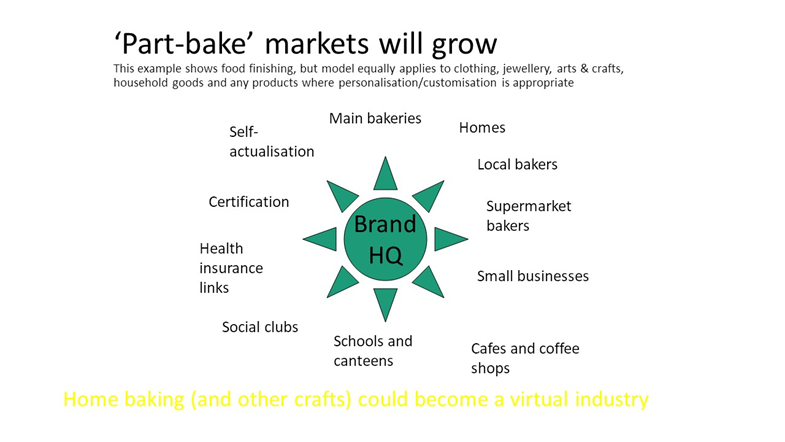
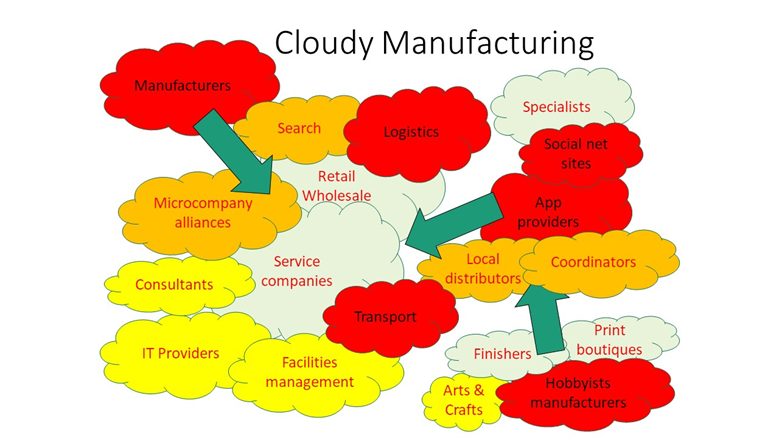
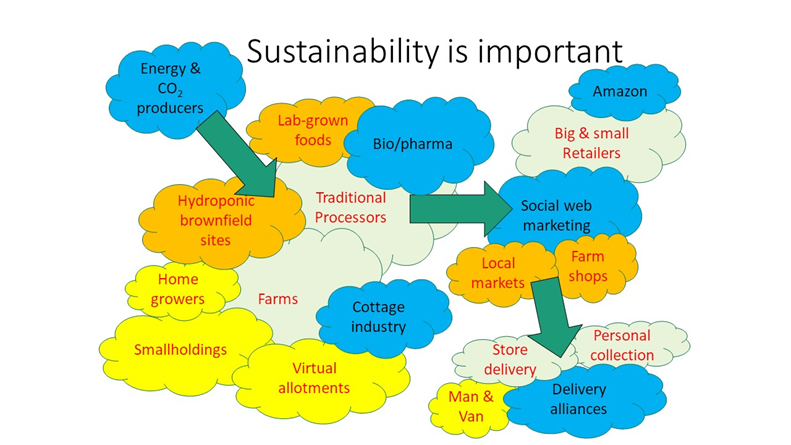







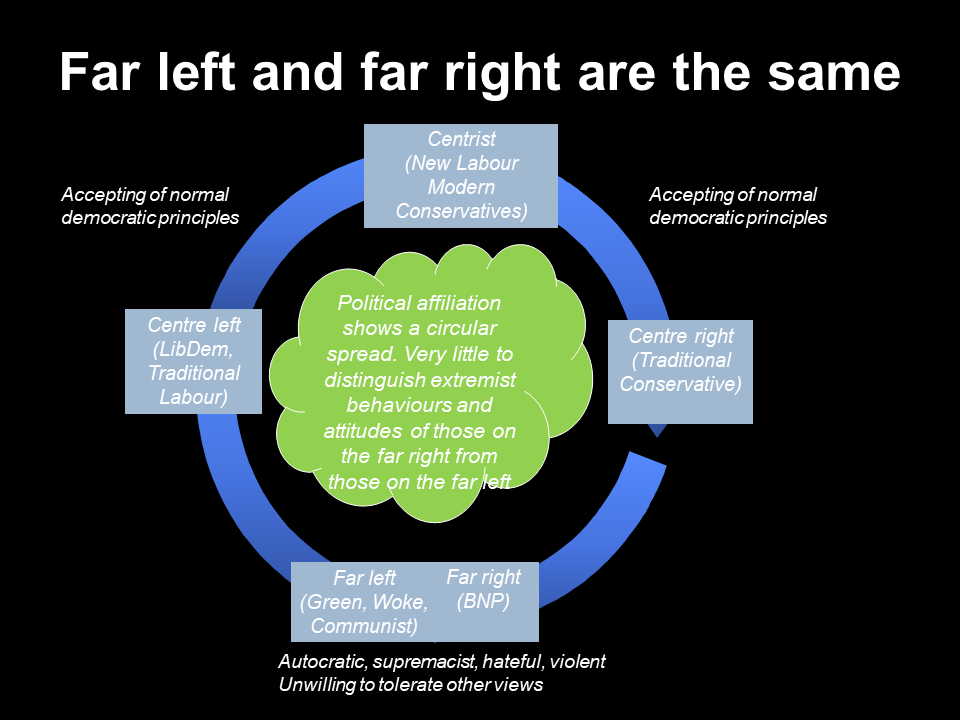









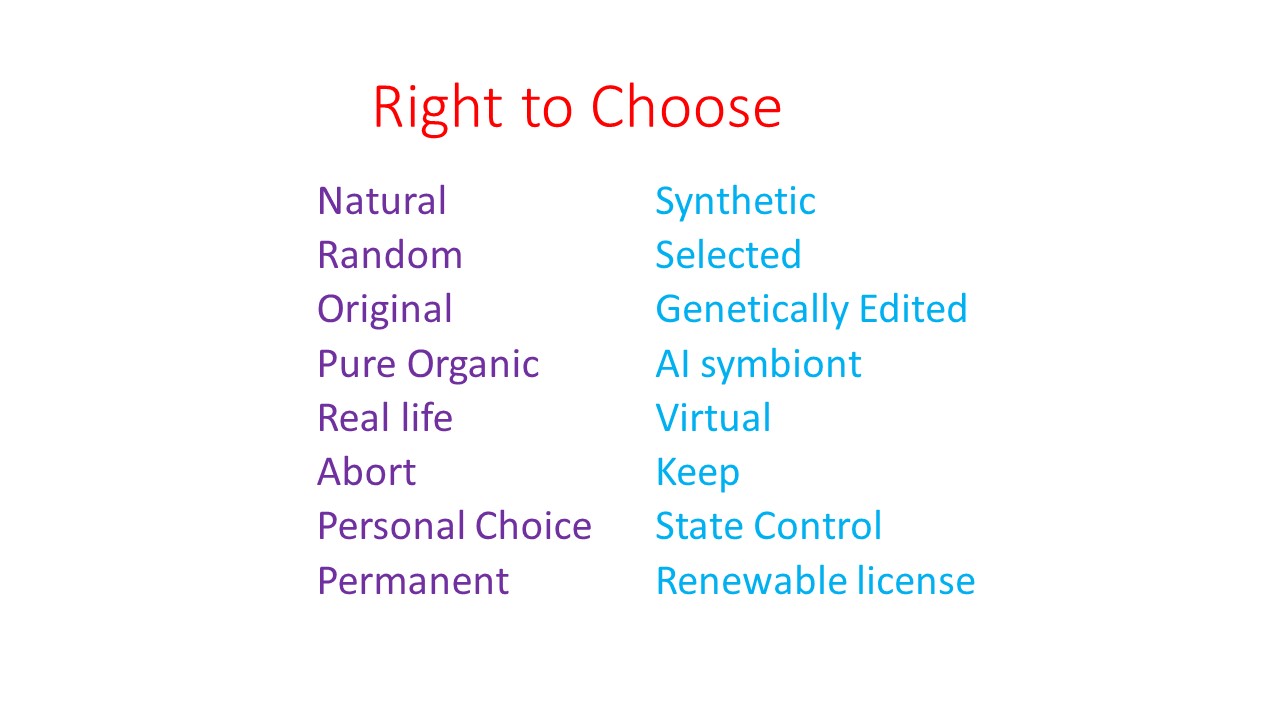
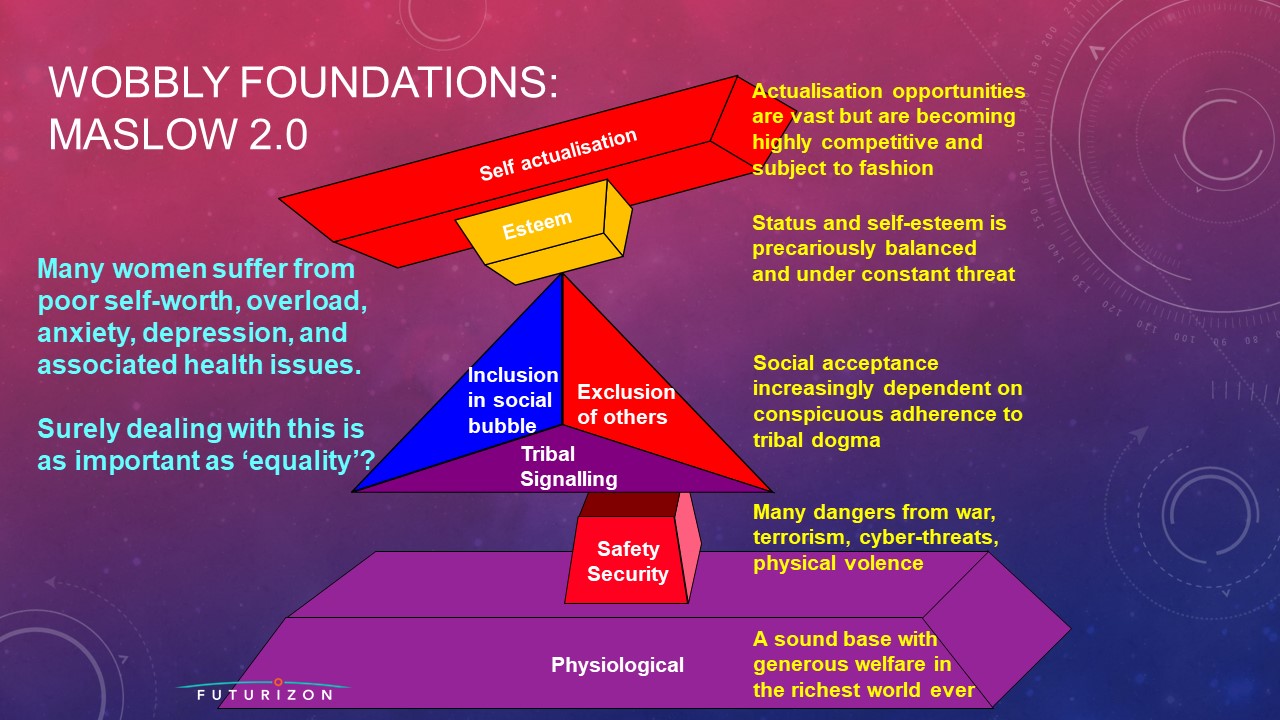
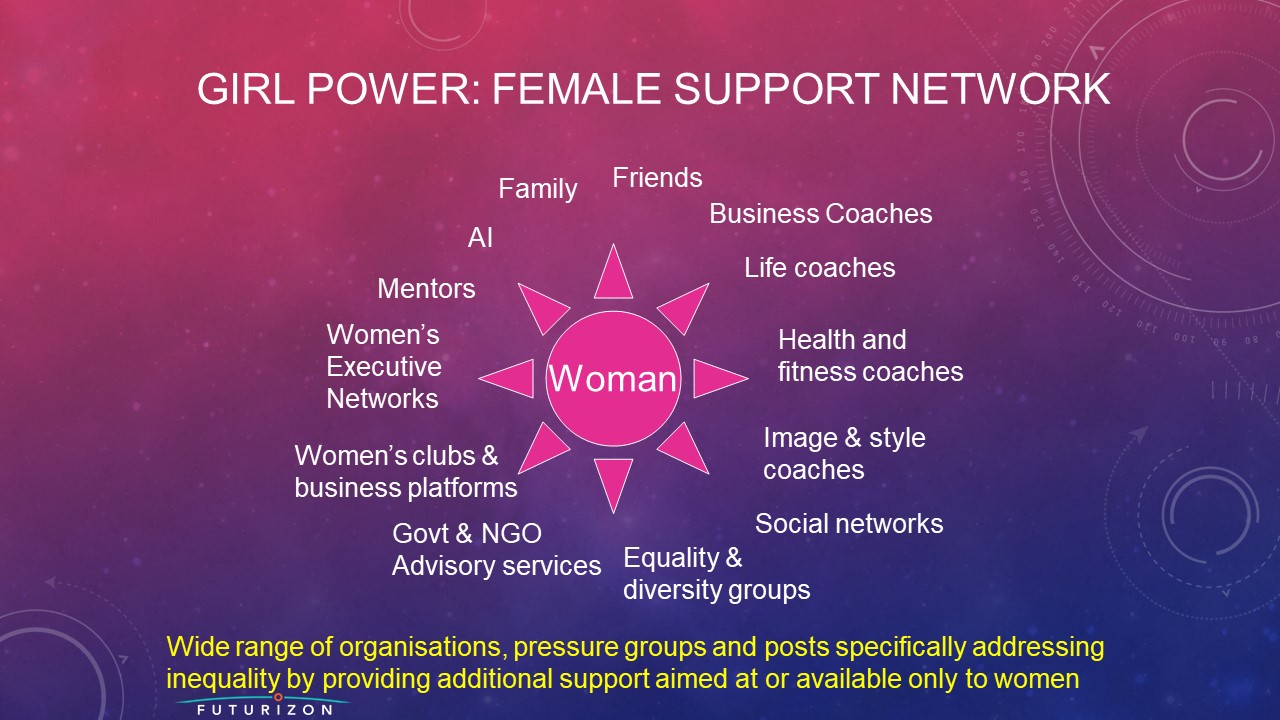


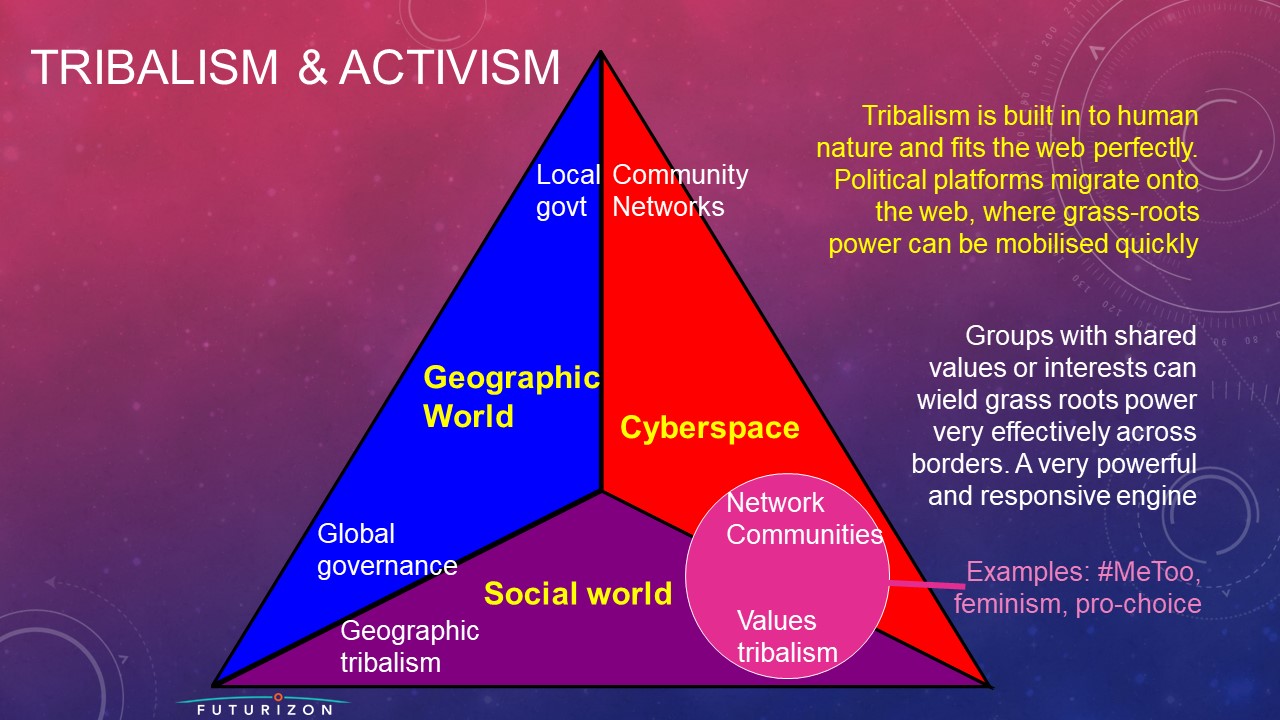
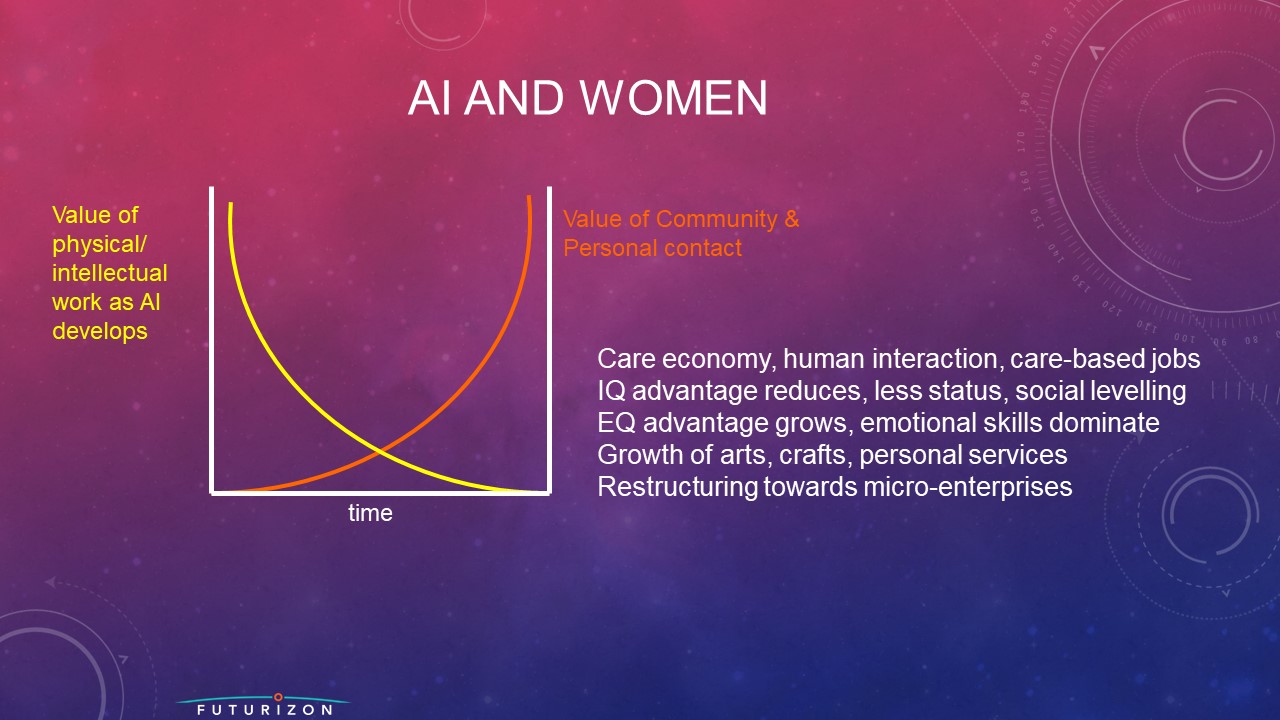
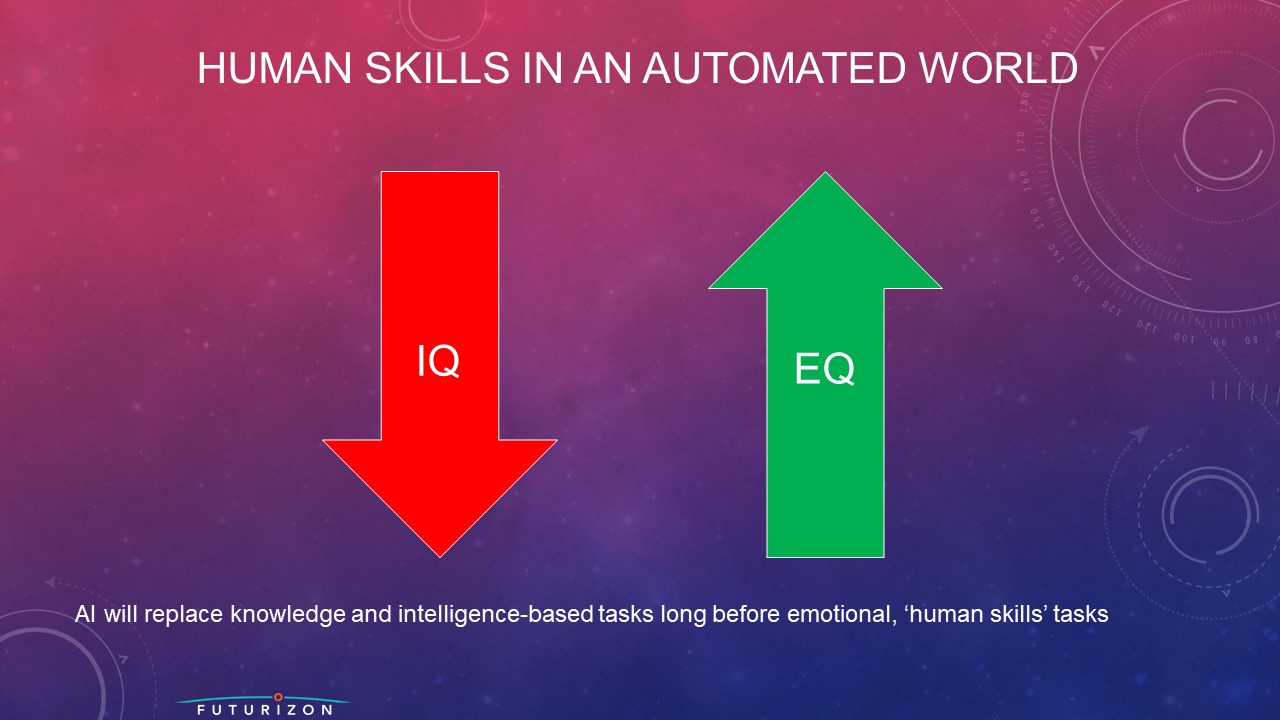
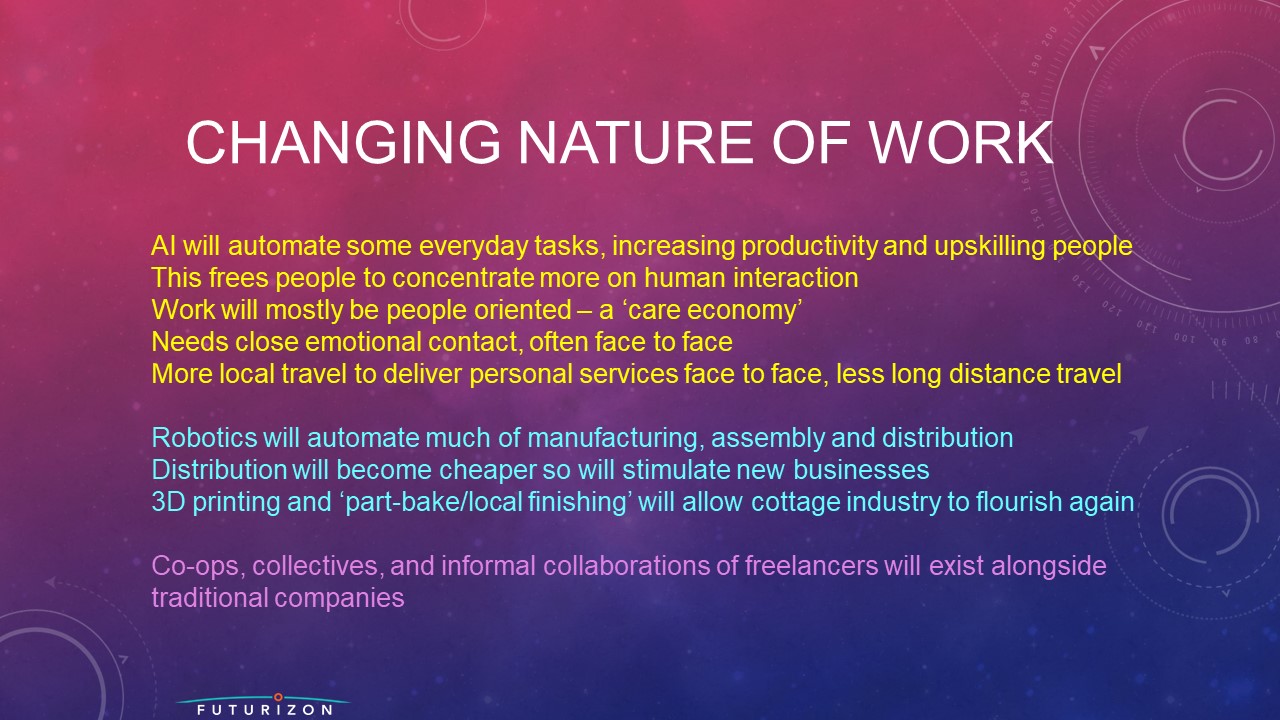
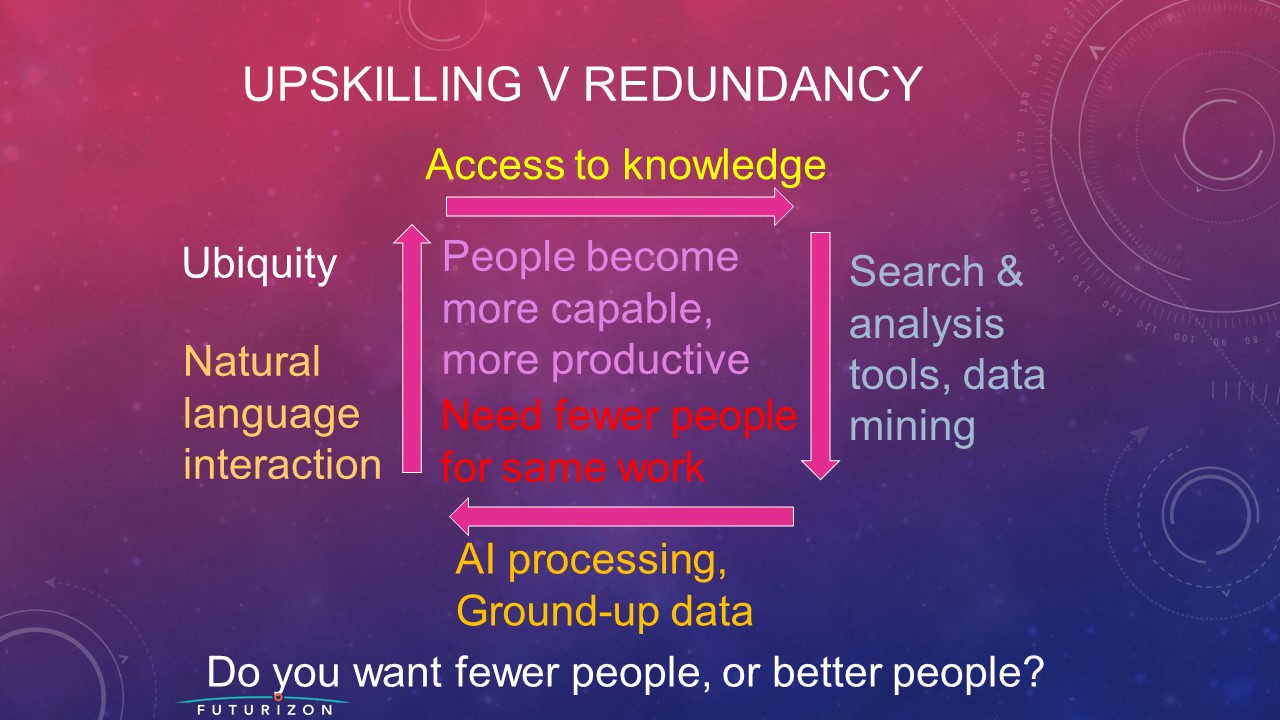
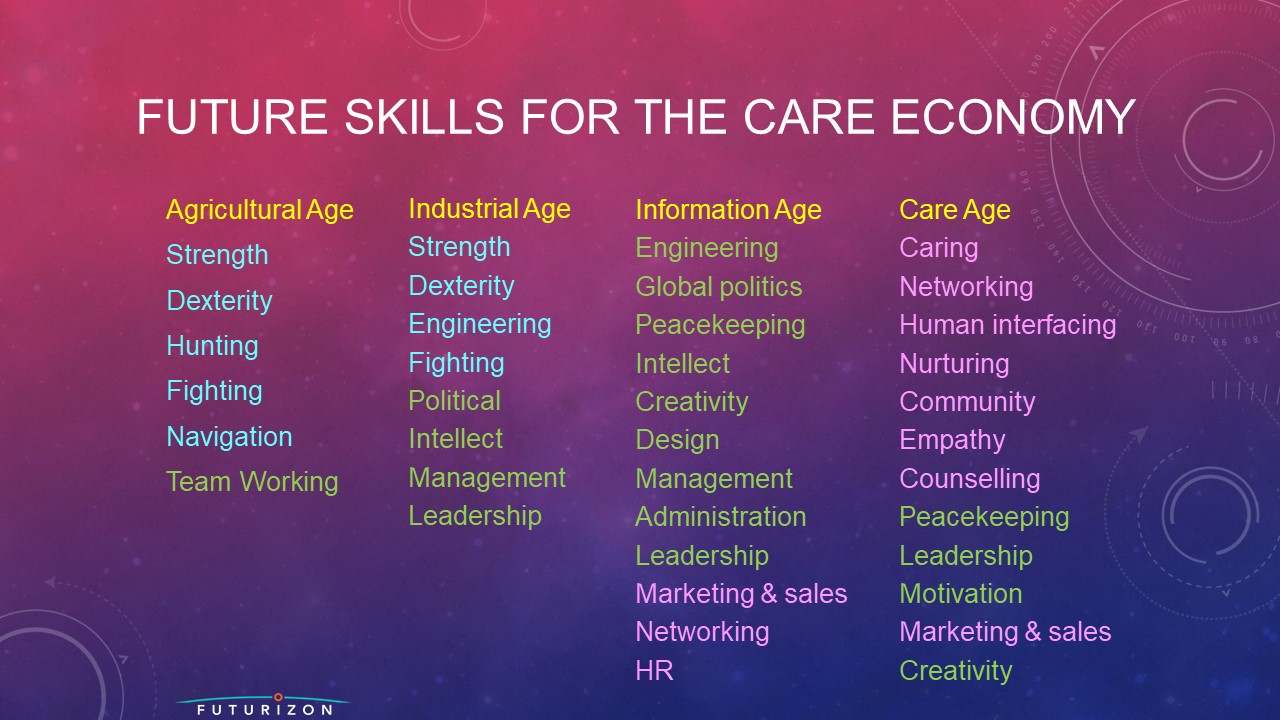
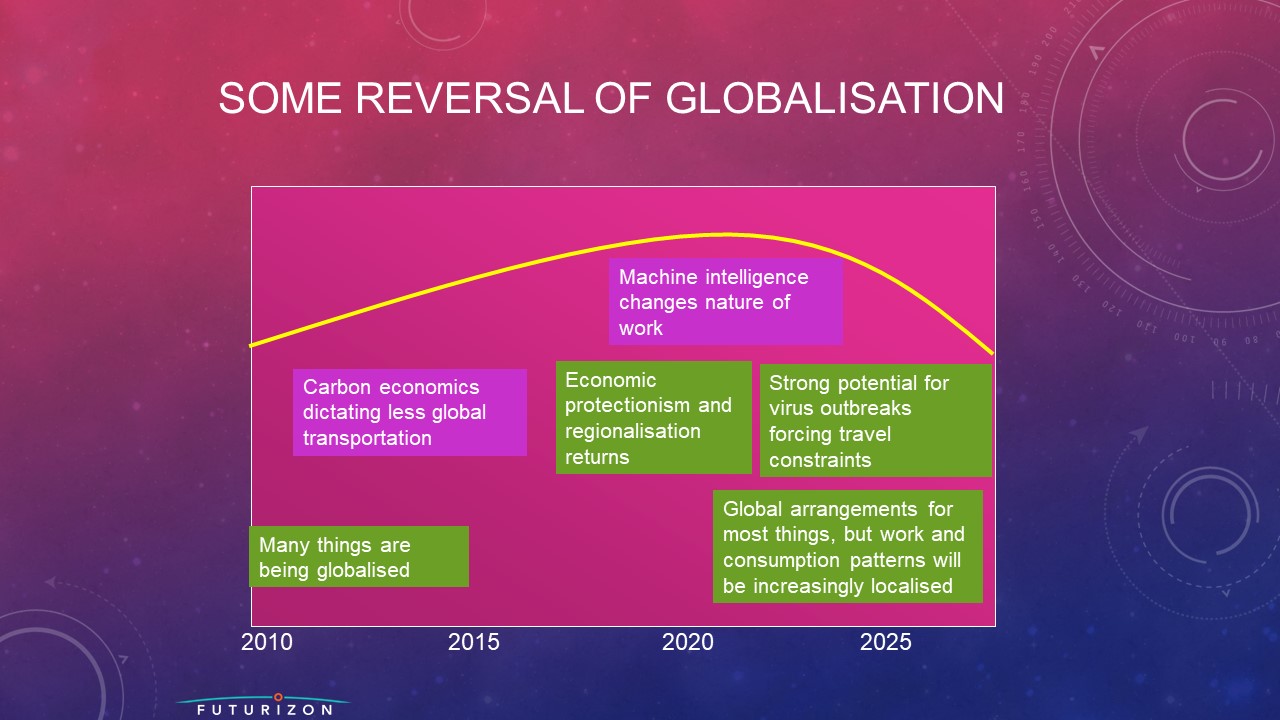
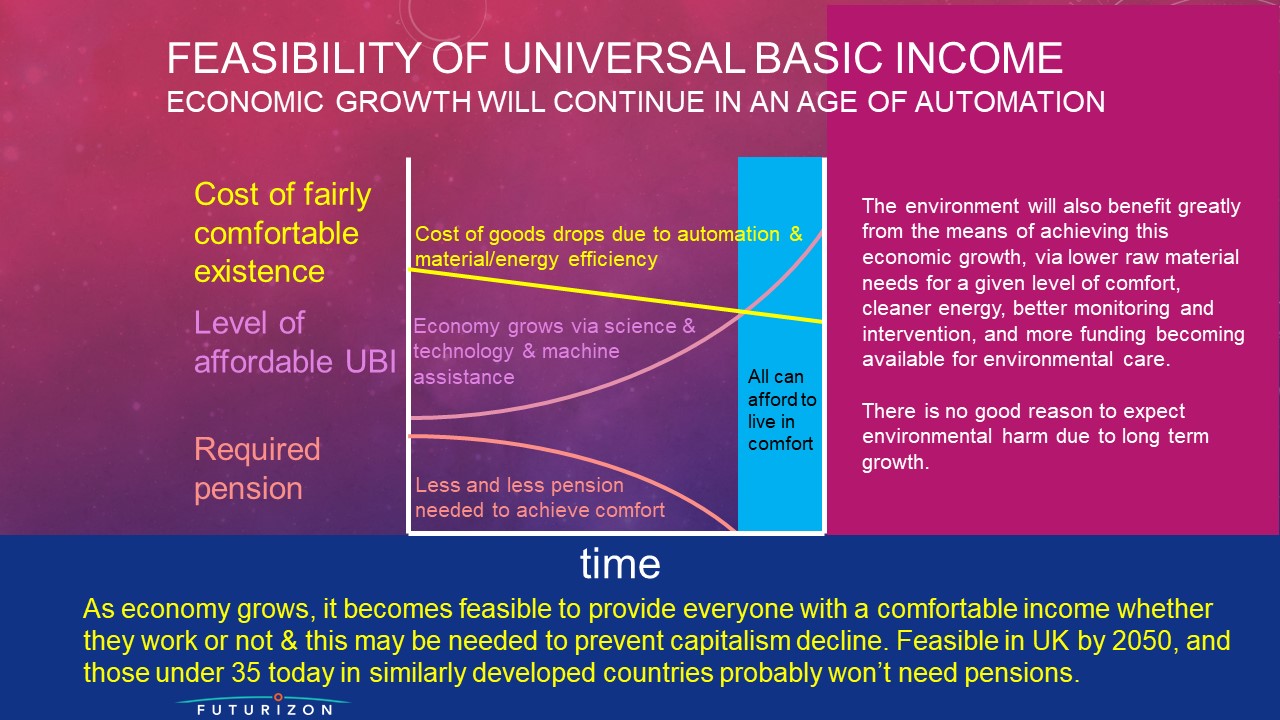
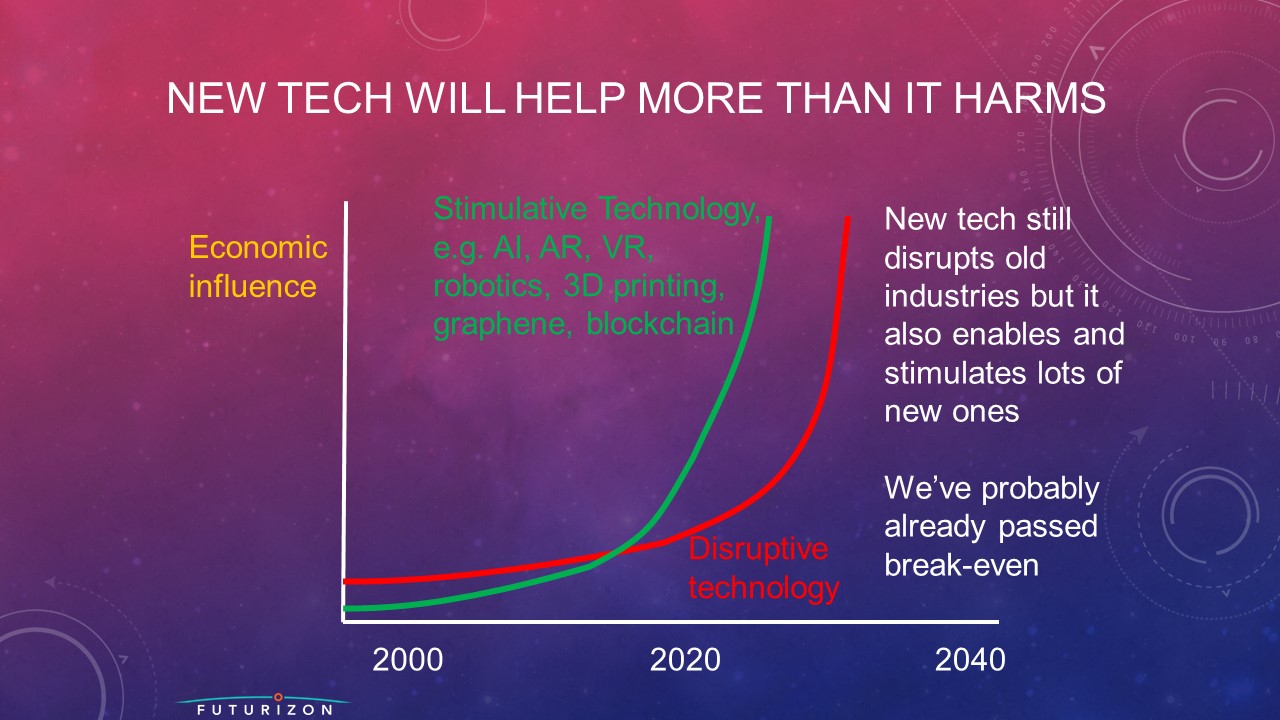
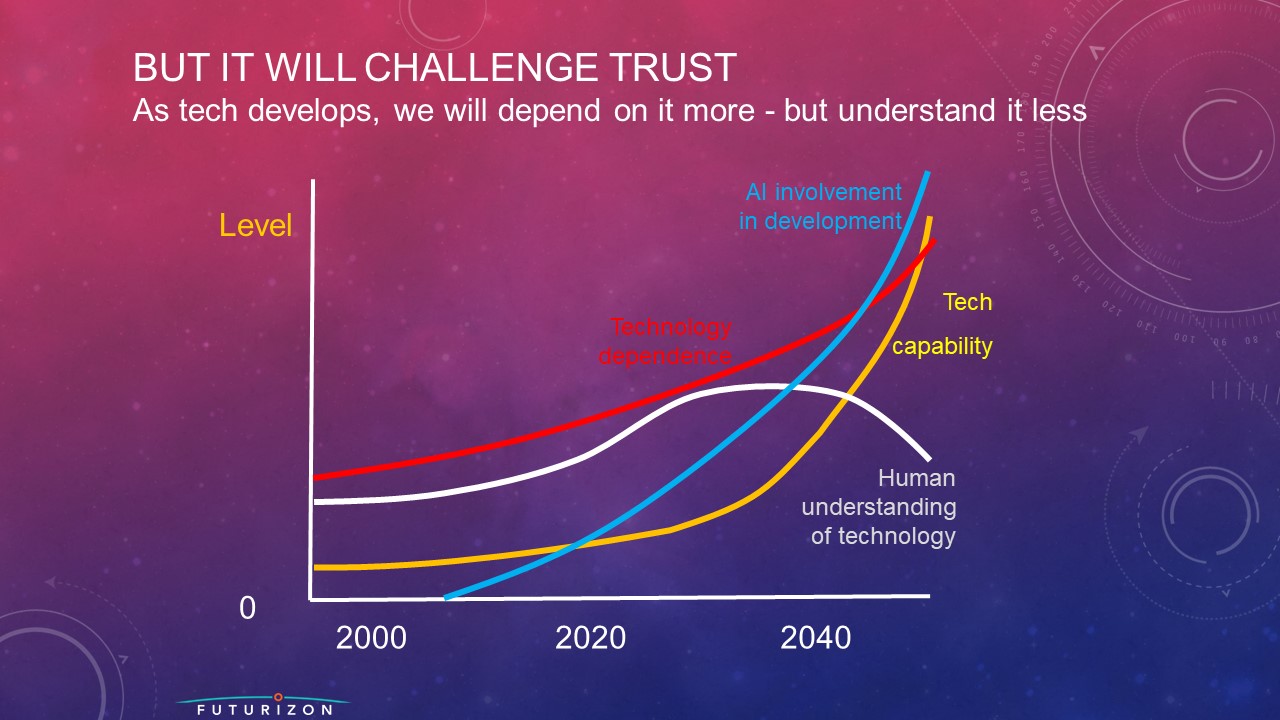



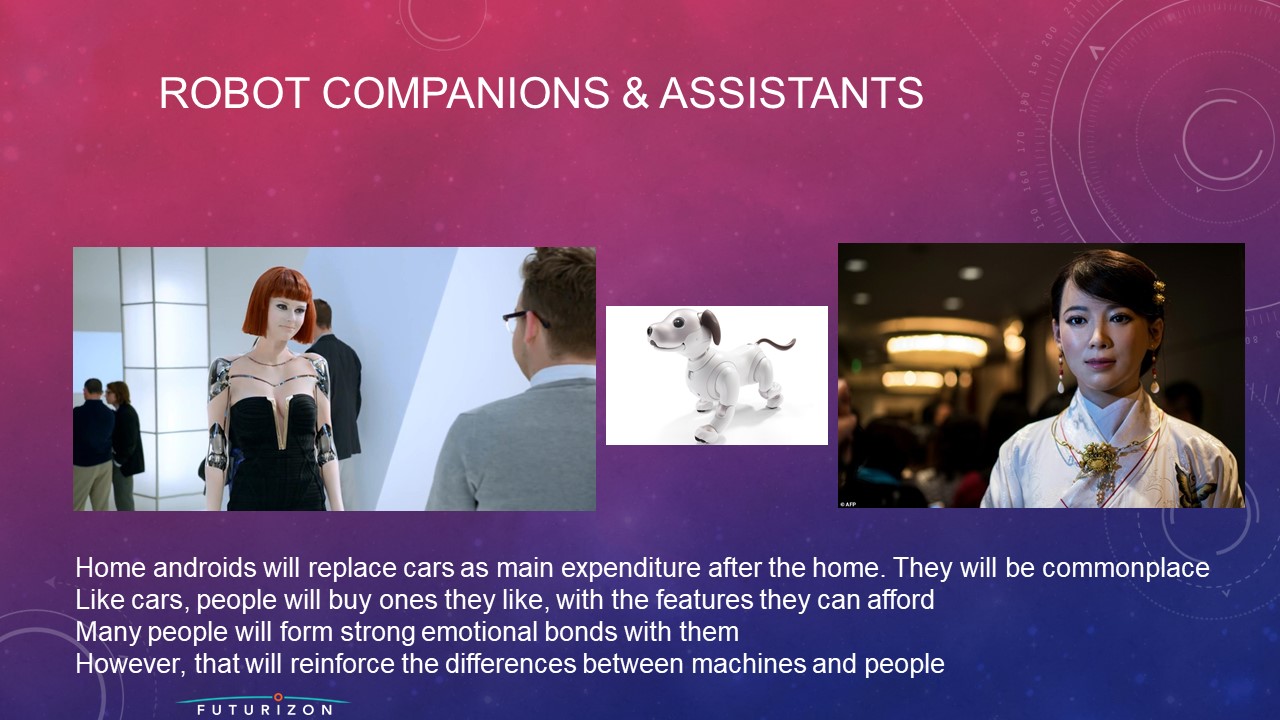
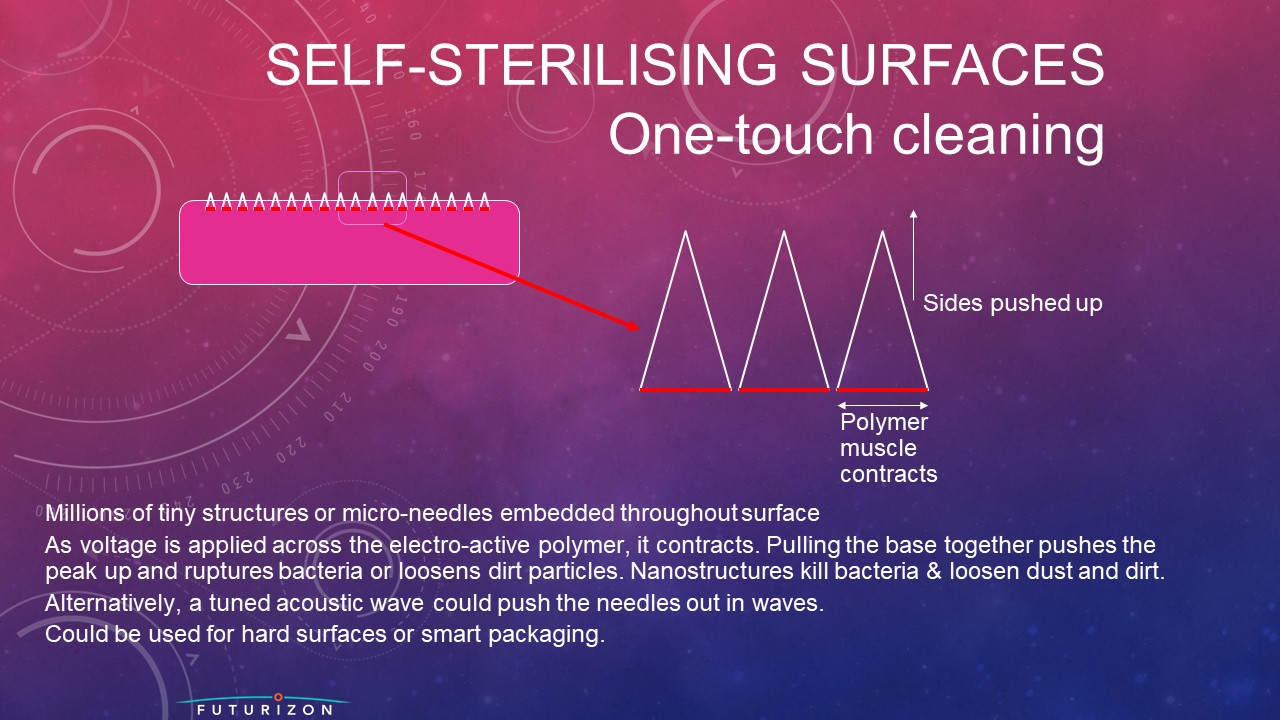
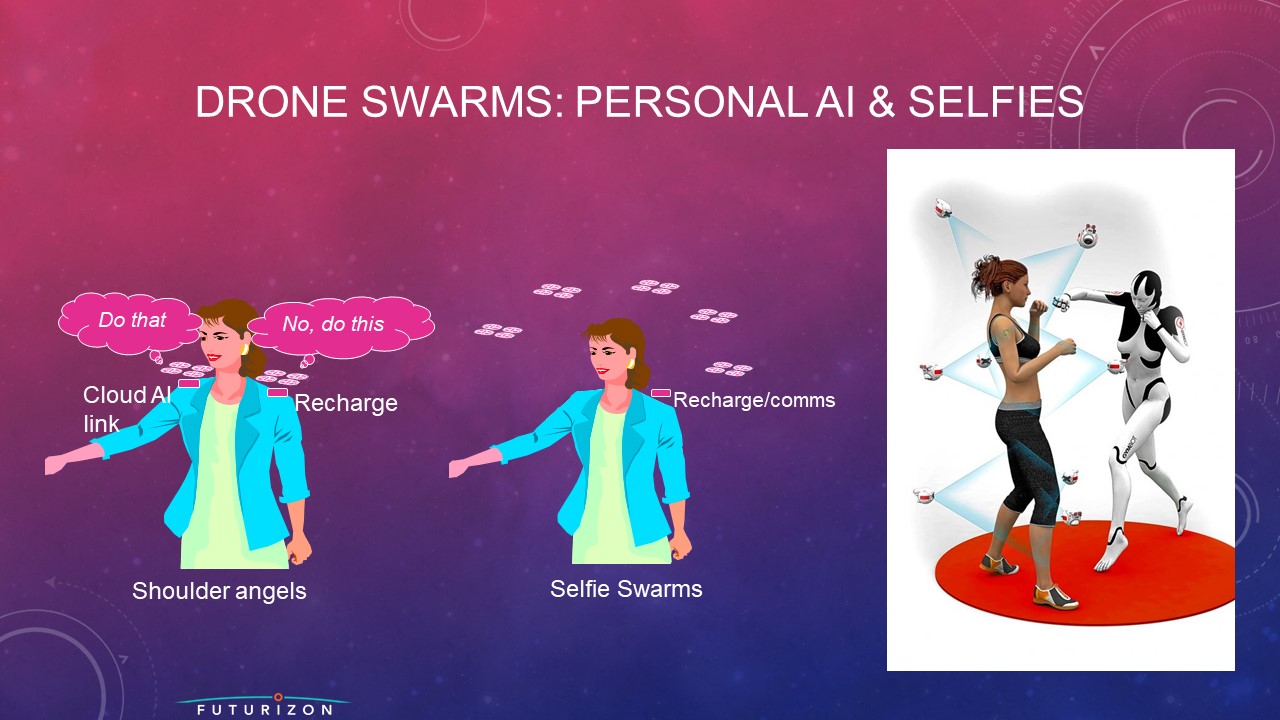

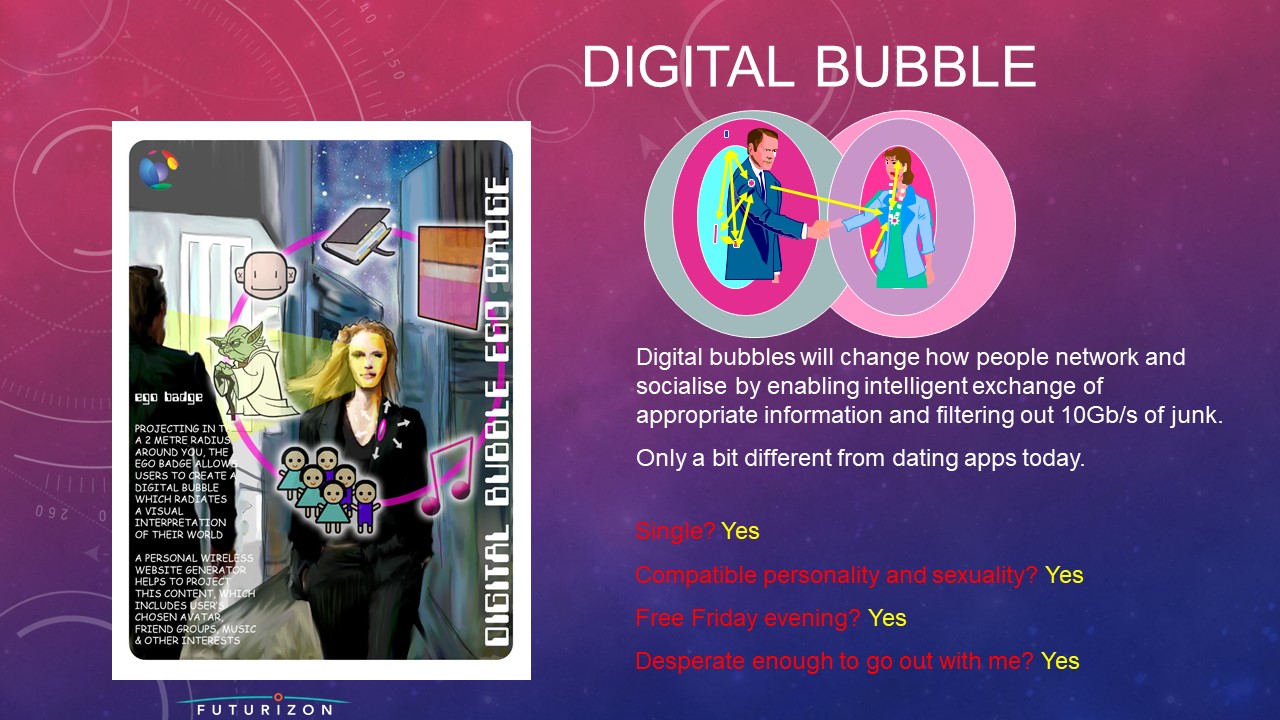
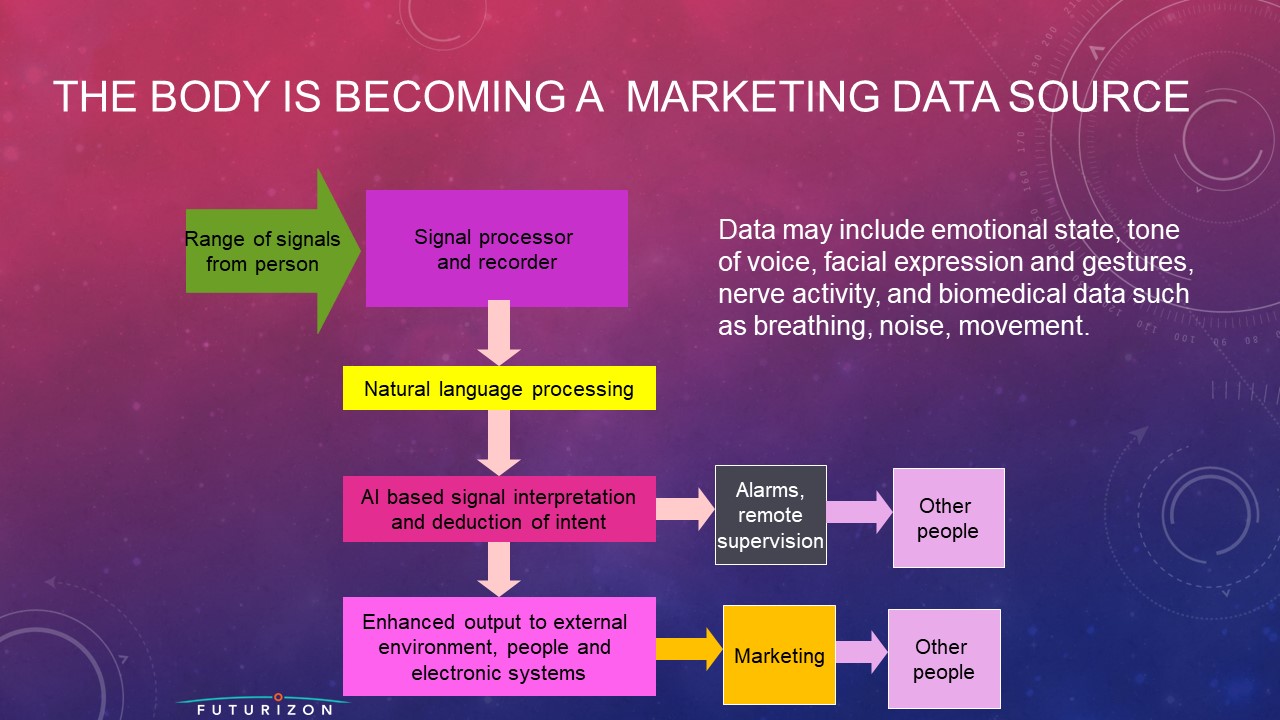
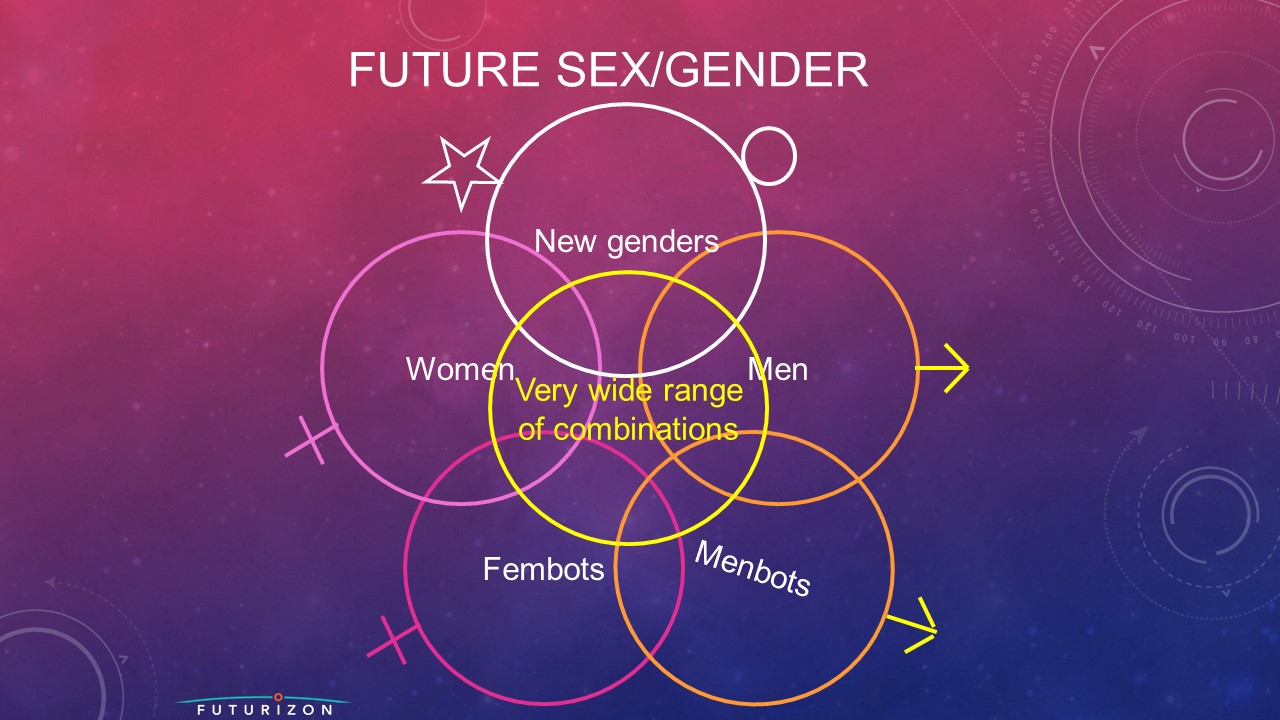
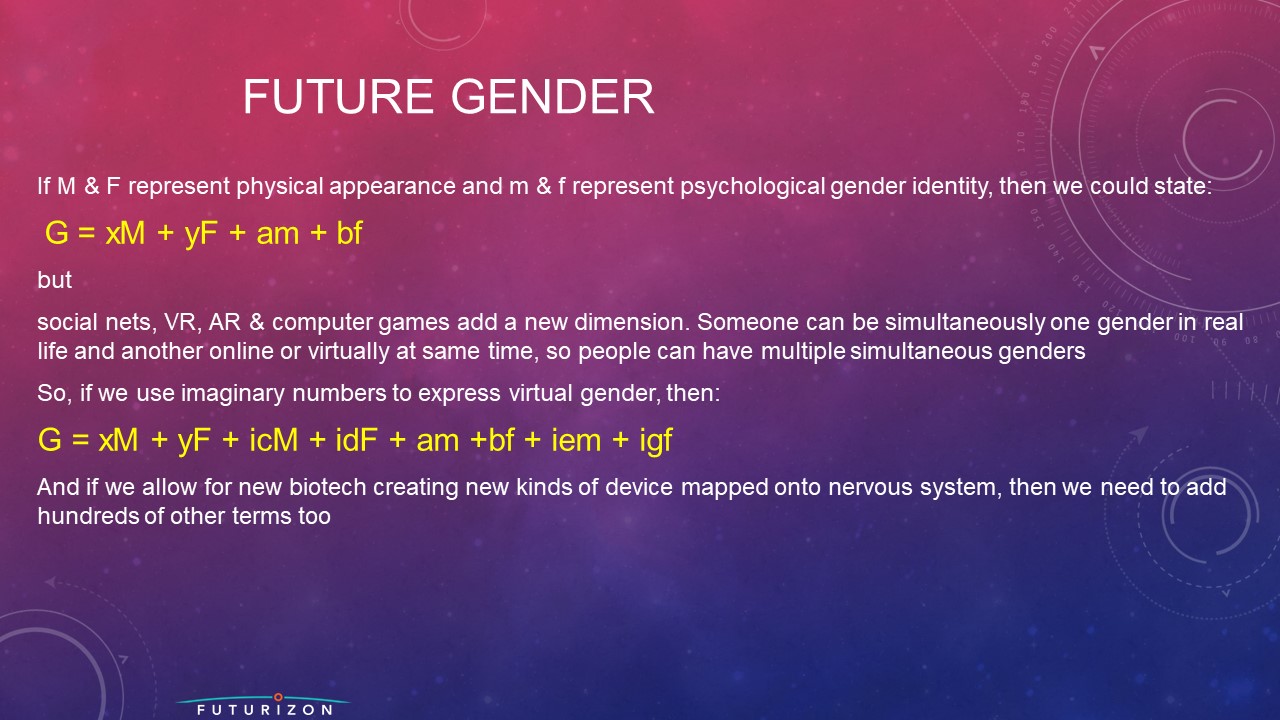

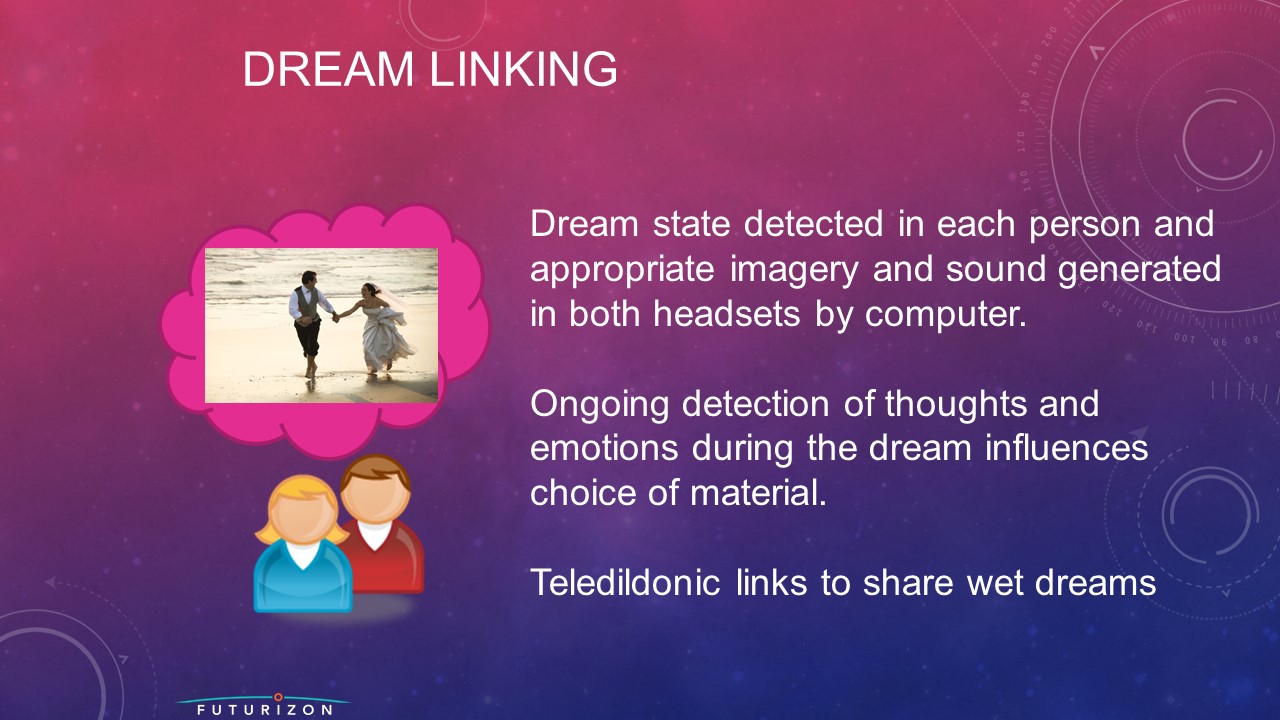
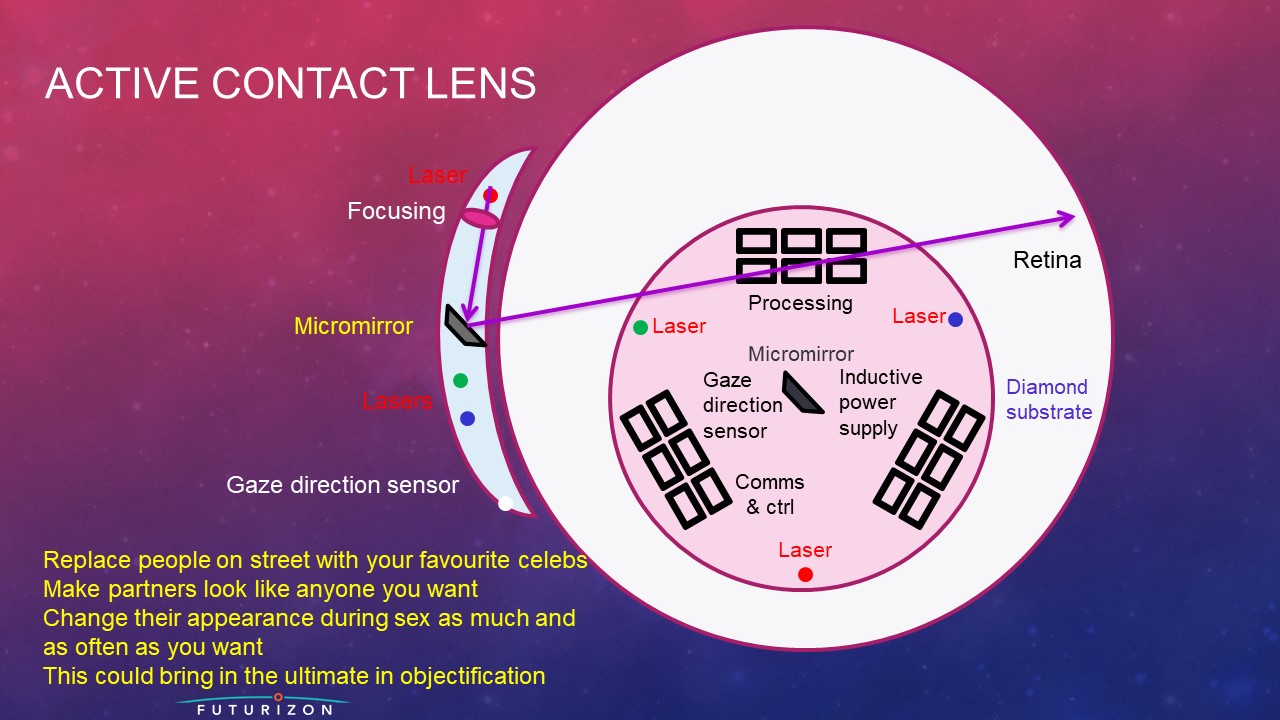


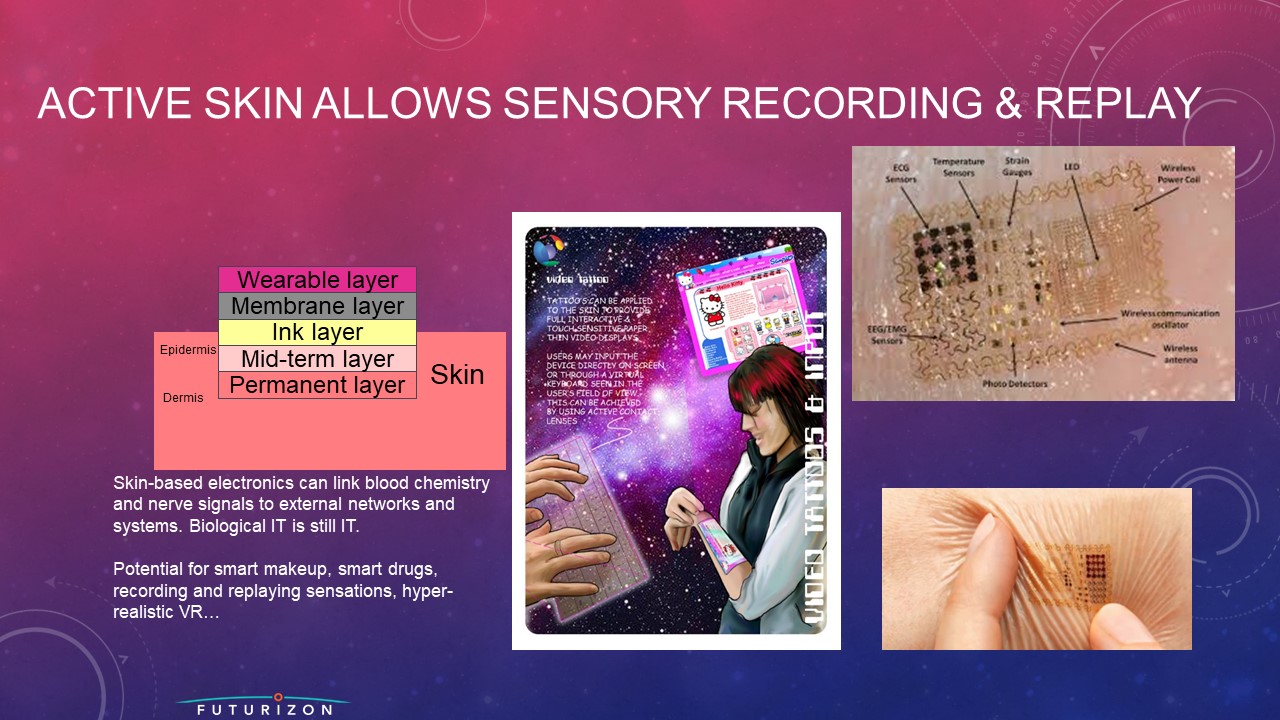

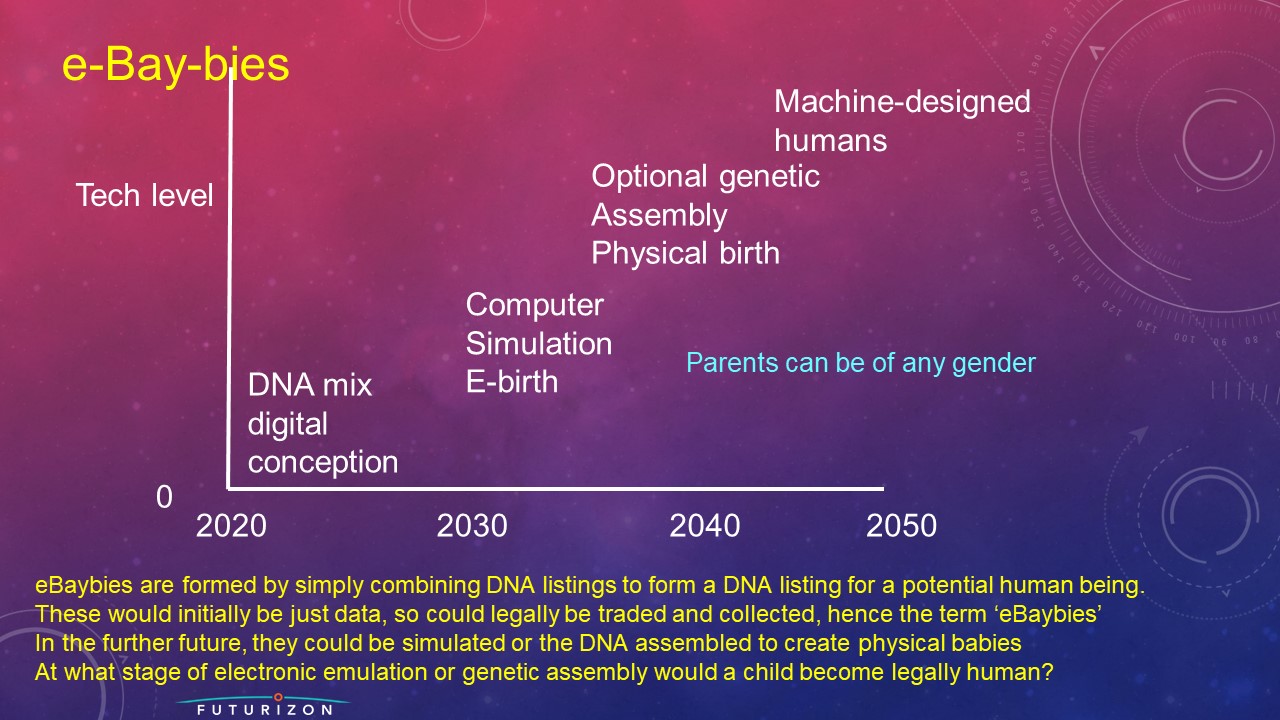
 I don’t do investment advice much, and I am NOT an investment adviser of any kind, just a futurist doing some simple reasoning.


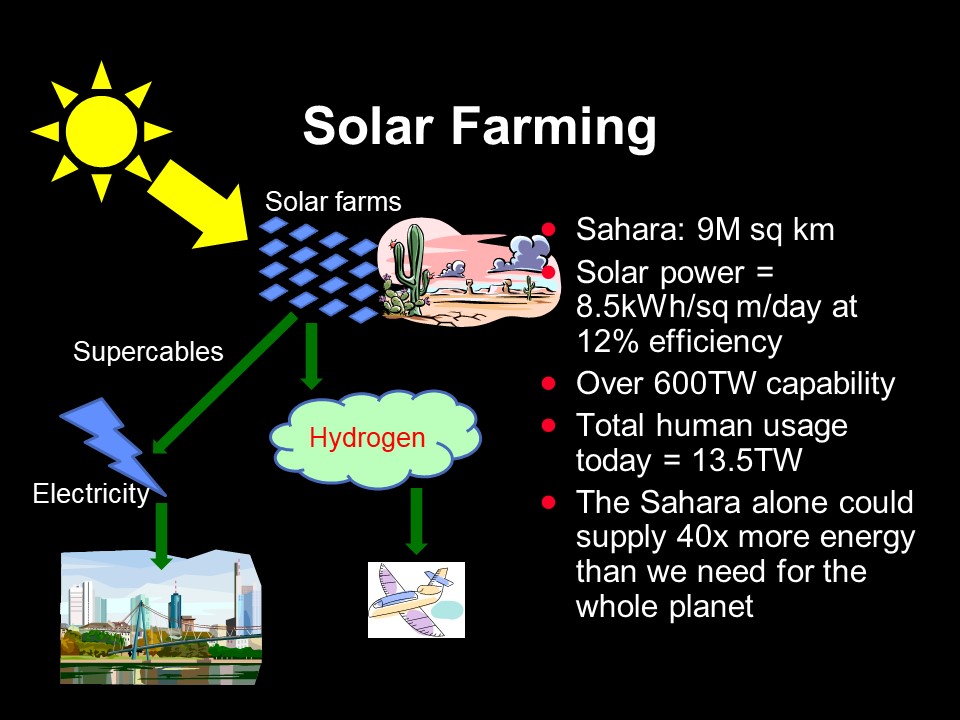


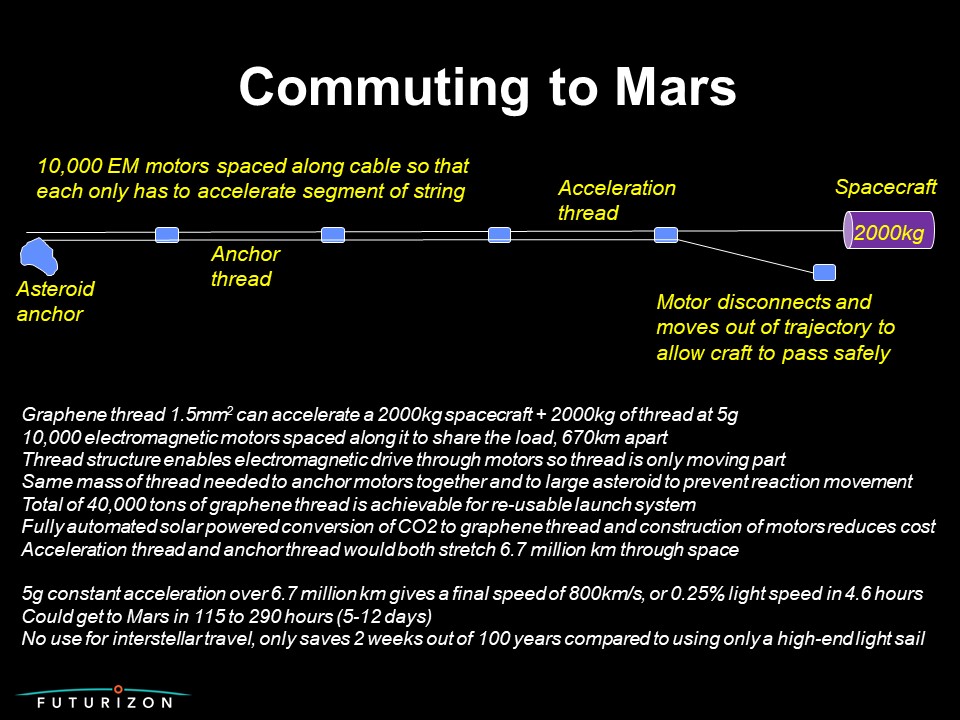
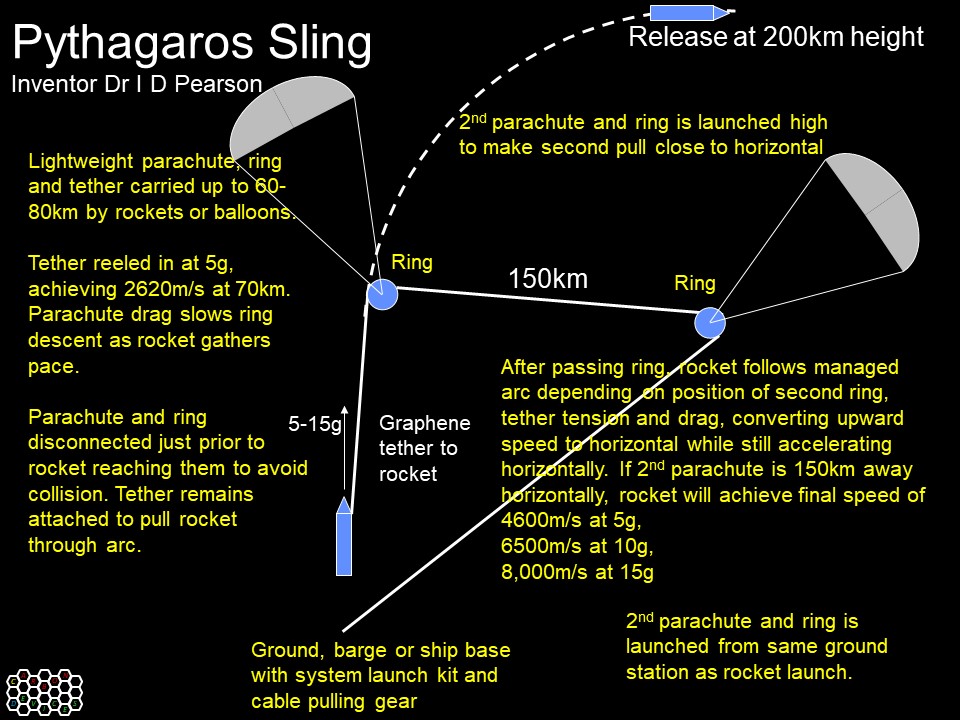


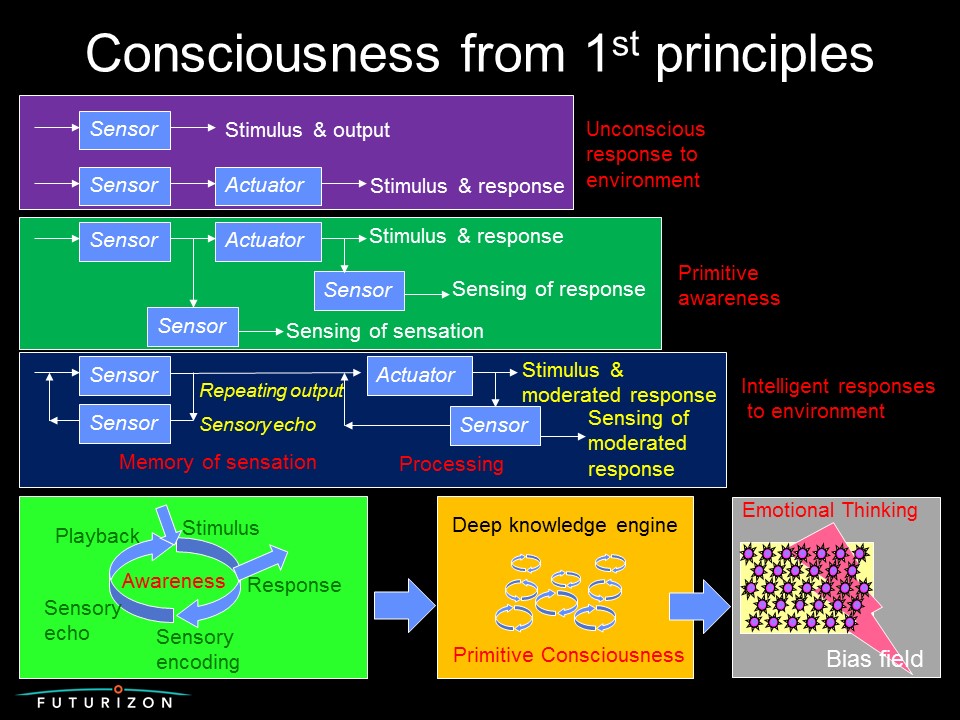

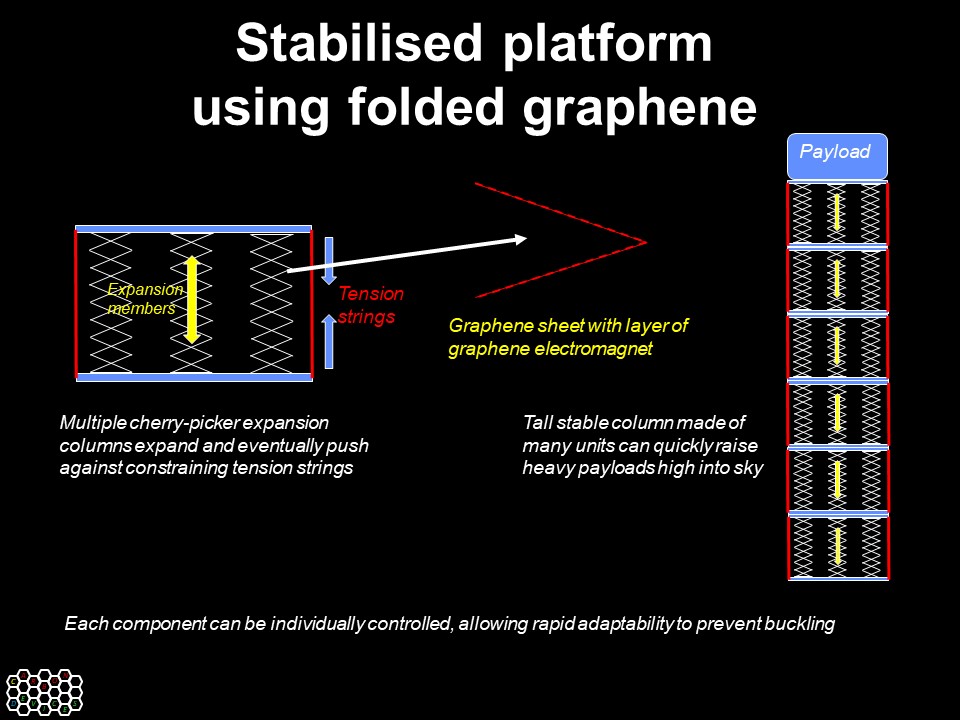

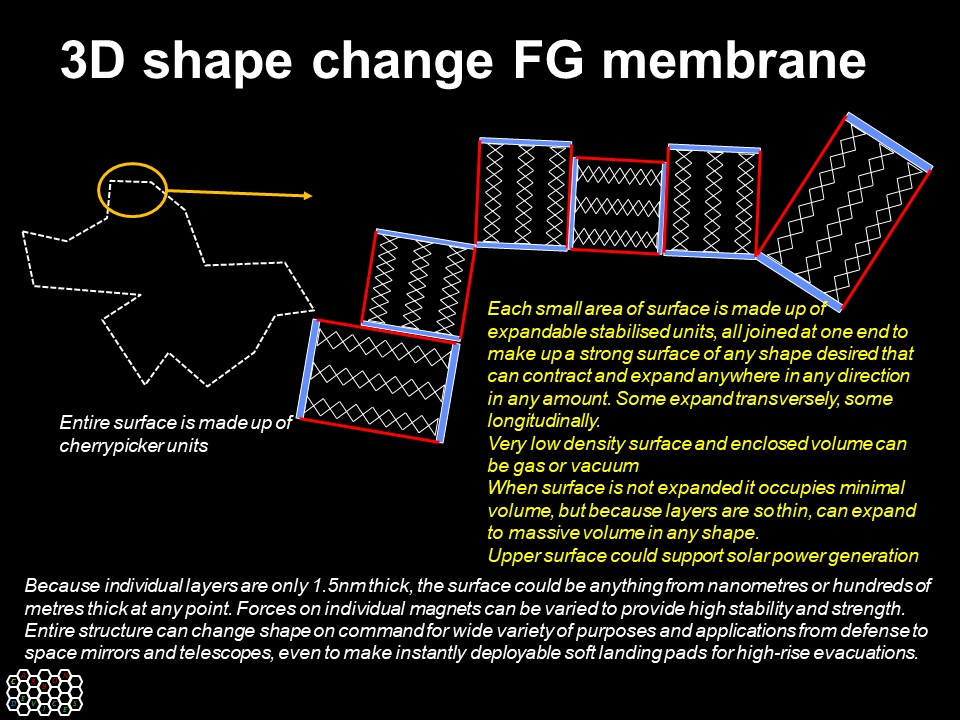







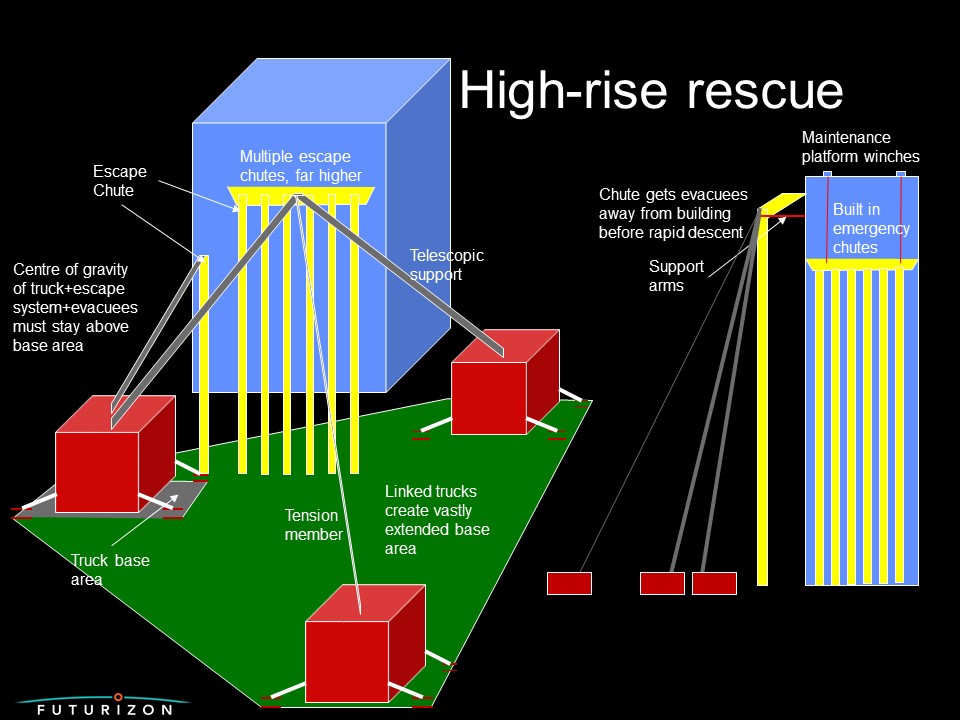




:no_upscale()/cdn1.vox-cdn.com/uploads/chorus_image/image/51990837/image001.0.gif)
:no_upscale()/cdn1.vox-cdn.com/uploads/chorus_asset/file/7589971/lexus_lit_2.gif)



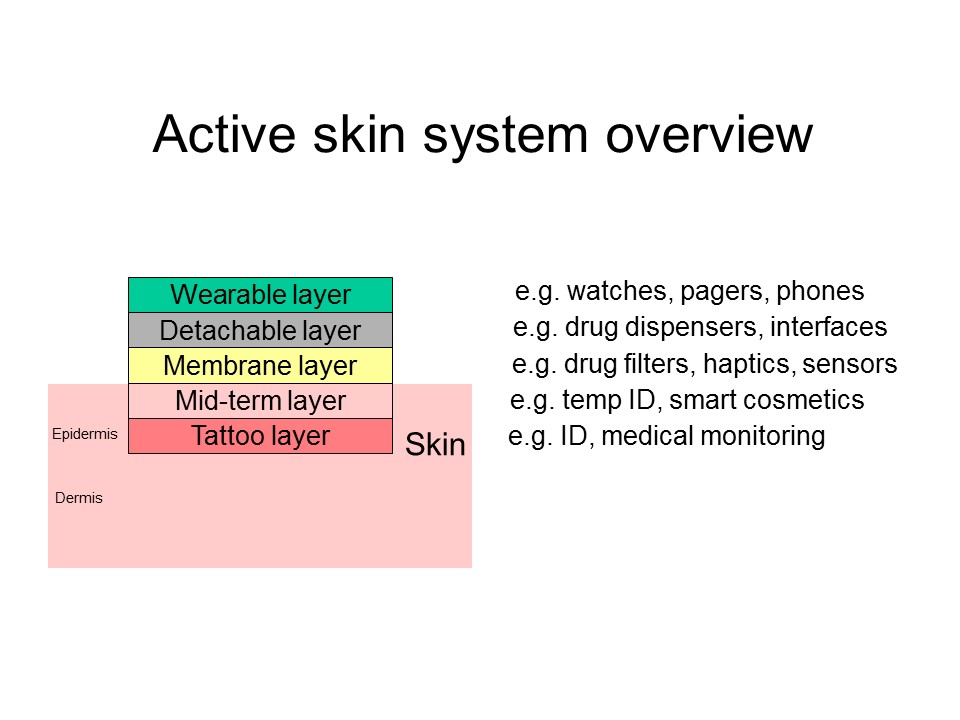

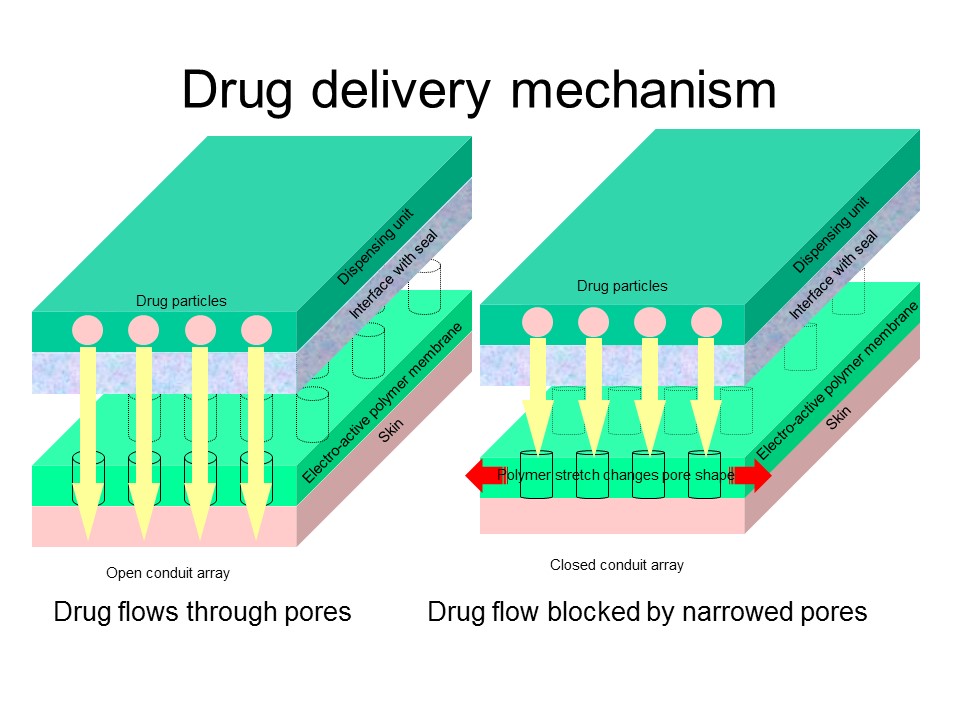














 Timeguide - The future before it comes over the horizon

